Adventure travel blogs focusing on hiking and trekking offer a unique blend of inspiring narratives, practical guidance, and community building. These platforms cater to a diverse audience, from seasoned adventurers seeking challenging expeditions to beginners planning their first backpacking trip. They provide valuable resources, including detailed trekking guides, stunning visuals, and insights from experienced hikers, fostering a sense of shared passion and exploration.
This exploration delves into the world of successful adventure travel blogs, analyzing their content strategies, community engagement techniques, and monetization models. We’ll examine effective guide structures, discuss the importance of visual storytelling, and explore various ways these blogs cultivate loyal readerships. The goal is to provide a comprehensive understanding of what makes these blogs successful and offer actionable insights for aspiring creators in this niche.
Top Adventure Travel Blogs
The world of adventure travel is vast and inspiring, filled with breathtaking landscapes and challenging trails. Finding reliable and engaging resources to plan your next hiking or trekking adventure is crucial. This section highlights five leading adventure travel blogs, examining their content, visual styles, and overall effectiveness in engaging their target audiences. We will analyze their approaches to content creation, image and video usage, and monetization strategies.
Leading Adventure Travel Blogs Focusing on Hiking and Trekking
Five prominent blogs consistently provide high-quality content for hikers and trekkers of varying experience levels. These blogs offer a mix of practical advice, inspirational stories, and stunning visuals to captivate their readers.
- The Trek: This blog focuses on long-distance hiking and backpacking, particularly in the United States. Its target audience is experienced hikers seeking detailed trip reports, gear reviews, and insightful articles on trail ethics and conservation. The writing style is detailed and informative, emphasizing practicality.
- Adventure Alan: Adventure Alan caters to a broad audience of adventure enthusiasts, with a significant focus on hiking and trekking in various locations worldwide. The blog combines stunning photography with practical tips for planning and executing various outdoor adventures. The content is accessible to both beginners and experienced adventurers.
- Section Hikers: Specializing in thru-hiking, this blog offers in-depth information and resources for those planning to tackle long trails like the Appalachian Trail or Pacific Crest Trail. The target audience is primarily experienced hikers and thru-hikers looking for detailed logistical information and community support.
- REI Expert Advice: While not solely dedicated to hiking and trekking, REI’s blog features a wealth of articles and guides covering various outdoor activities, including comprehensive hiking and backpacking resources. Its broad appeal attracts a diverse audience, from beginners to seasoned adventurers, seeking reliable and trustworthy information.
- Nomad Mania: This blog blends adventure travel with a focus on sustainable and responsible tourism. It appeals to a conscious audience interested in ethical travel practices and exploring lesser-known hiking trails. The blog incorporates elements of travel photography, storytelling, and cultural awareness.
Visual Styles and User Interfaces of Adventure Travel Blogs
Each blog employs a unique visual style to enhance user experience. The Trek, for example, utilizes a clean and minimalist design, emphasizing readability and functionality. Images are high-quality and strategically placed to break up text and highlight key aspects of the articles. Adventure Alan, in contrast, employs a more vibrant and visually dynamic approach, incorporating larger hero images and engaging video content to capture the excitement of adventure travel.
Section Hikers uses a more community-focused layout, integrating user comments and forum discussions prominently. REI Expert Advice maintains a professional and polished look, consistent with the brand’s image, and uses high-quality product photography in conjunction with their articles. Nomad Mania utilizes a visually rich style incorporating a mix of landscape photography, cultural imagery, and personal storytelling elements.
Comparison of Adventure Travel Blogs
The following table compares the five blogs across several key metrics. Note that engagement metrics are often difficult to obtain publicly and may vary over time. Monetization strategies are based on observed practices and may not be exhaustive.
| Blog | Post Frequency | Engagement Metrics (Estimated) | Monetization Strategies |
|---|---|---|---|
| The Trek | Weekly to Bi-weekly | High social media engagement, moderate comments | Affiliate marketing, advertising |
| Adventure Alan | Several times per week | High social media engagement, significant comments | Affiliate marketing, sponsored posts, advertising |
| Section Hikers | Variable, with bursts of activity during thru-hiking seasons | High forum engagement, moderate social media engagement | Advertising, community donations |
| REI Expert Advice | Multiple posts daily | Very high social media engagement, limited direct comments on blog posts | Brand promotion, affiliate marketing |
| Nomad Mania | Weekly to Bi-weekly | Moderate social media engagement, moderate comments | Affiliate marketing, sponsored travel |
Hiking and Trekking Guide Content Analysis
Adventure travel blogs offer a wealth of hiking and trekking guides, catering to a diverse range of experience levels and preferences. These guides serve as invaluable resources for aspiring adventurers, providing crucial information to plan and execute safe and enjoyable trips. Analyzing their content reveals key trends and best practices for creating effective and informative guides.Hiking and trekking guides found on adventure travel blogs are diverse, varying significantly based on several factors.
A systematic categorization helps potential hikers find suitable options.
Guide Categorization by Difficulty, Location, and Activity
Guides are typically categorized by difficulty level, ranging from beginner-friendly strolls to challenging multi-day expeditions. Geographic location is another crucial factor, with guides focusing on specific regions, countries, or even individual trails. Finally, the type of activity influences guide content; some focus solely on hiking, while others incorporate elements of backpacking, mountaineering, or even rock climbing. For instance, a guide on the Inca Trail to Machu Picchu will differ significantly from a guide on a short nature walk in a local park.
Difficulty levels are often indicated using descriptive terms like “easy,” “moderate,” “challenging,” or “expert,” sometimes supplemented by numerical ratings or color-coded systems.
Effective Guide Structure and Components
Effective hiking and trekking guides share common structural elements to ensure clarity and completeness. A well-structured guide typically includes a detailed itinerary, outlining daily distances, elevation changes, and estimated hiking times. High-quality maps are essential, often incorporating GPS coordinates and points of interest. Comprehensive packing lists cater to the specific needs of the trek, and detailed safety tips address potential hazards and emergency procedures.
The inclusion of stunning visuals, such as photographs and videos, enhances the reader’s experience and provides a realistic preview of the trail.
“Day 1: Arrive at base camp, acclimatize to the altitude (12,000 ft), and enjoy a scenic hike to a nearby viewpoint. Pack layers for fluctuating temperatures. Be aware of altitude sickness symptoms.”
“Essential Gear: Backpack (50-65 liters), hiking boots (broken in!), waterproof jacket, layers of clothing, first-aid kit, water bottles/hydration reservoir, head lamp, sunscreen, insect repellent.”
Sample Beginner Hiking Guide: The Redwood National and State Parks, California
This guide focuses on a beginner-friendly loop trail within Redwood National and State Parks, California. The trail offers a gentle introduction to hiking, with minimal elevation gain and well-maintained paths.
Itinerary:
This 3-mile loop trail can be completed in 2-3 hours at a leisurely pace. The trail is mostly flat, with minimal elevation changes.
Necessary Gear:
Comfortable hiking shoes, layered clothing (temperatures can fluctuate), water bottle, sunscreen, hat, insect repellent, and a basic first-aid kit.
Potential Challenges:
The main challenge is the potential for muddy trails after rain. Appropriate footwear is crucial. The trail can also be crowded during peak season.
Image Description:
Imagine towering redwood trees, their massive trunks reaching for the sky, creating a cathedral-like atmosphere. Sunlight filters through the dense canopy, illuminating a carpet of ferns and moss on the forest floor. A small creek meanders alongside the trail, its gentle sounds adding to the tranquility of the scene. The trail itself is well-maintained and easily navigable, with wooden bridges crossing small streams.
Reader Engagement and Community Building
Building a thriving community around an adventure travel blog is crucial for long-term success. It fosters loyalty, increases readership, and provides valuable feedback. Engaging readers transforms a passive audience into active participants, enriching the overall experience for everyone. Successful blogs utilize a variety of strategies to cultivate this sense of shared passion and exploration.Successful adventure travel blogs employ multifaceted strategies to cultivate strong reader engagement and foster vibrant communities.
These strategies go beyond simply providing high-quality content; they focus on interaction, participation, and a shared sense of adventure. This creates a loyal following that actively contributes to the blog’s growth and success.
Utilizing Comments Sections, Social Media, and Email Newsletters
Effective comment sections are more than just places to leave feedback; they’re opportunities for dialogue. Blogs that actively moderate comments and respond to readers foster a sense of connection. This creates a space where readers can share their experiences, ask questions, and engage in discussions with each other and the blogger. Integrating social media platforms like Instagram, Facebook, and Twitter allows for broader reach and interaction.
Sharing blog posts, engaging with comments and messages, and running contests or giveaways increase visibility and build community. Email newsletters, when crafted thoughtfully, become a direct line of communication. They can share exclusive content, announce upcoming trips, and highlight community contributions, keeping readers engaged even when they aren’t actively browsing the blog. The combination of these methods creates a multi-platform approach that caters to different reader preferences and maximizes engagement opportunities.
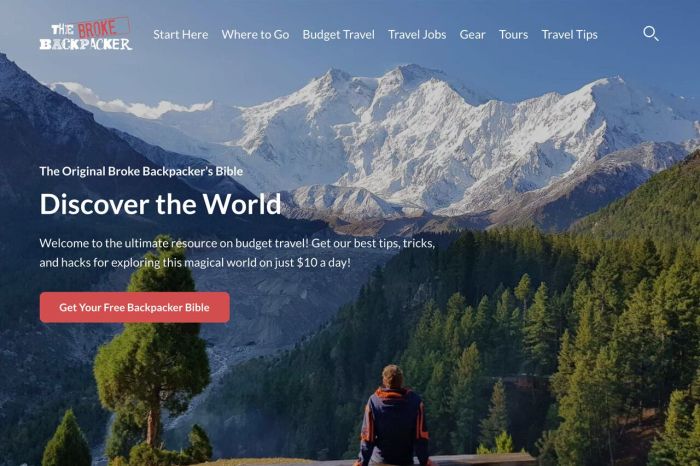
For example, the blog “The Broke Backpacker” utilizes a highly active comment section, consistently engaging with readers, fostering lively discussions, and often featuring reader-submitted content. Their social media presence is similarly robust, encouraging user-generated content and interaction.
Examples of Successful Community-Building Initiatives
Many adventure travel blogs employ creative initiatives to build community. One effective strategy is organizing reader meetups or group trips. This provides a real-world opportunity for online connections to become personal friendships, strengthening the sense of community. Another successful approach is creating challenges or contests. Encouraging readers to share their own adventure photos or stories, using a specific hashtag on social media, generates user-generated content and increases brand visibility.
Blogs often highlight reader contributions on their website, showcasing user photos or travel stories, fostering a sense of inclusion and recognition. A prime example is the blog “Nomad List,” which cultivates a strong community through its forum, facilitating discussions about remote work and travel. Their highly active forum provides a platform for readers to share advice, support each other, and connect on a deeper level.
This fosters a loyal community, constantly contributing to the blog’s content and growth.
Actionable Steps for Increasing Reader Engagement
Building a thriving community requires a proactive approach. Here are some actionable steps a new adventure travel blog can take:
- Respond to comments promptly and thoughtfully. Show readers that their opinions matter.
- Run contests and giveaways. Incentivize engagement and attract new followers.
- Create a Facebook group or other online community. Provide a dedicated space for readers to connect.
- Feature reader-submitted content. Showcase photos, stories, and experiences.
- Host online or in-person events. Connect with readers on a personal level.
- Use a visually appealing design. Make your blog easy to navigate and visually engaging.
- Partner with other travel bloggers or brands. Expand your reach and access a wider audience.
- Regularly send out engaging email newsletters. Keep readers informed and engaged between blog posts.
- Actively engage on social media. Respond to comments and messages, and share relevant content.
- Ask for feedback and suggestions. Show readers that you value their input.
Monetization Strategies for Adventure Travel Blogs
Generating revenue from an adventure travel blog requires a multifaceted approach, balancing ethical considerations with effective strategies to reach a sustainable income. Several methods exist, each with its own advantages and disadvantages. Choosing the right mix depends on the blog’s audience, content, and the blogger’s personal brand.
Affiliate Marketing
Affiliate marketing involves promoting other companies’ products or services on your blog and earning a commission on each sale made through your unique affiliate link. This is a popular choice for adventure travel blogs, as many readers are actively looking for gear, travel insurance, or booking services. For example, a blogger might review a specific backpack and include an affiliate link to purchase it from the retailer.
The effectiveness depends on the trust built with the audience and the relevance of the products promoted. A drawback is the potential for audience distrust if endorsements seem forced or inauthentic. Ethical considerations require full transparency about affiliate relationships, clearly disclosing any commission earned.
Sponsored Posts
Sponsored posts involve creating content in collaboration with brands, often featuring their products or services. This can range from showcasing a new hiking boot in a gear review to writing a travel guide about a specific destination sponsored by a tourism board. The effectiveness hinges on the alignment between the brand and the blog’s audience. A potential drawback is the risk of compromising editorial integrity if the sponsored content feels unnatural or fails to meet the blog’s usual quality standards.
Ethical considerations necessitate clear disclosure of sponsored content and ensuring the product or service genuinely aligns with the blogger’s values and audience interests. For instance, a sponsored post about sustainable tourism in Costa Rica would be more ethical and resonate better with an audience interested in eco-travel than a post promoting a luxury resort known for its environmental impact.
Advertising
Display advertising, including banner ads or contextual ads, can provide a steady income stream. However, the effectiveness is highly dependent on the blog’s traffic and engagement. A high bounce rate or low click-through rate will negatively impact revenue. The main drawback is that excessive or poorly placed ads can negatively affect the reader experience, potentially driving visitors away.
Ethical considerations focus on using non-intrusive ad formats and ensuring that advertised products or services are relevant to the blog’s content and audience.
Selling Merchandise
Selling merchandise, such as branded apparel, stickers, or guides, allows for direct revenue generation and strengthens brand loyalty. This strategy works best when a blog has established a strong brand identity and a loyal following. The effectiveness depends on the quality of the merchandise and the effectiveness of marketing efforts. A drawback is the initial investment required for design, production, and inventory management.
Ethical considerations include ensuring the merchandise is produced ethically and sustainably, reflecting the blog’s values.
Hypothetical Business Plan: “Adventure Awaits” Blog
This hypothetical business plan Artikels the monetization strategy for a new adventure travel blog focused on hiking and trekking in the Rocky Mountains.
| Revenue Stream | Strategy | Projected Revenue (Year 1) | Ethical Considerations |
|---|---|---|---|
| Affiliate Marketing | Partner with outdoor gear retailers, booking platforms, and travel insurance providers. Focus on high-quality, relevant products. | $5,000 | Full disclosure of affiliate links; only promote products genuinely used and recommended. |
| Sponsored Posts | Collaborate with tourism boards and eco-friendly businesses in the Rocky Mountains. Maintain editorial integrity and ensure brand alignment. | $3,000 | Transparent disclosure of sponsored content; prioritize brands with values aligned with the blog’s mission. |
| Advertising | Utilize non-intrusive ad formats, such as sidebar ads or contextual ads, once significant traffic is established. | $2,000 | Careful selection of advertisers; avoid ads that conflict with the blog’s content or values. |
| Merchandise | Launch a small line of branded apparel (t-shirts, hats) and high-quality trail maps after the first year, once a loyal audience is built. | $1,000 (Year 2) | Ensure ethical and sustainable production; offer fair prices. |
Related Travel Resources and Information
Planning an adventure trip involves more than just packing your bags. Accessing the right resources can significantly enhance your experience, from finding the best deals to ensuring your safety and maximizing enjoyment. This section provides an overview of essential resources that complement the information found on this adventure travel blog and will help you navigate your journey smoothly. It’s designed to be a one-stop shop for all your adventure travel needs.
Effective trip planning hinges on leveraging a variety of resources. These tools can help you find the perfect destination, secure affordable travel options, plan your itinerary, and ensure a safe and memorable adventure. The following sections detail key resources and explain how they contribute to a richer travel experience.
Travel Deals and Booking Platforms
Numerous websites and apps specialize in finding discounted flights, accommodation, and tours. Popular options include Skyscanner, Google Flights, Kayak, Booking.com, and Expedia. These platforms allow users to compare prices across various providers, often uncovering significant savings. For example, using Skyscanner’s price alert feature, a user could track flight prices to a desired destination and receive notifications when fares drop, ensuring they get the best possible deal.
These platforms also offer bundled deals, combining flights and hotels for further cost savings.
Destination Guides and Information
Beyond travel deals, reliable destination information is crucial. Websites like Lonely Planet, TripAdvisor, and Wikitravel provide detailed guides, reviews, and user-generated content on various destinations. These resources offer insights into local culture, attractions, transportation options, and potential safety concerns. For instance, Lonely Planet’s detailed city guides offer maps, suggested itineraries, and recommendations for restaurants and activities, helping travelers plan their time effectively.
TripAdvisor, on the other hand, relies heavily on user reviews, providing firsthand accounts of experiences at various hotels, restaurants, and attractions.
Travel Insurance and Medical Assistance
Protecting yourself with comprehensive travel insurance is paramount, especially for adventure travel. Companies like World Nomads, Allianz Global Assistance, and Travel Guard offer various plans catering to different needs and trip types. These policies often cover medical emergencies, trip cancellations, lost luggage, and other unforeseen circumstances. A comprehensive policy can provide peace of mind, knowing you’re financially protected in case of unexpected events.
It’s important to carefully review policy details and choose a plan that adequately covers the risks associated with your specific adventure.
Travel Apps and Gadgets
Numerous mobile apps enhance the travel experience. Navigation apps like Google Maps and Maps.me provide offline maps and navigation, crucial for areas with limited or no internet connectivity. Translation apps, such as Google Translate, can facilitate communication in foreign countries. Other useful apps include currency converters, packing list organizers, and travel journal apps. Gadgets like portable power banks, waterproof phone cases, and headlamps are also invaluable for adventure travelers, ensuring they stay connected and prepared for various situations.
For example, a portable power bank can be a lifesaver when trekking in remote areas, ensuring your phone remains charged for navigation and communication.
Adventure Travel Blogs and Communities
Blogs like this one serve as valuable resources, offering firsthand accounts of adventures, practical tips, and destination guides. Engaging with online communities and forums related to adventure travel allows you to connect with fellow travelers, share experiences, and seek advice. These communities often provide insider tips, recommendations, and warnings about specific destinations or activities.
Travel Essentials and Packing Lists
Preparing a comprehensive packing list is crucial for any adventure trip. Essential items vary depending on the destination and activity but generally include appropriate clothing, footwear, first-aid supplies, and personal toiletries. Many websites and blogs offer detailed packing lists tailored to different types of adventures. Proper preparation ensures you have everything you need for a safe and comfortable journey.
Finding the Best Travel Deals
Websites like Groupon and LivingSocial often feature deals on tours, activities, and accommodation, potentially saving travelers significant amounts of money. Utilizing these platforms can enhance the overall affordability of an adventure trip. By combining these deals with other cost-saving strategies, travelers can significantly reduce their overall expenses.
Ultimately, the success of adventure travel blogs hinges on a compelling combination of high-quality content, engaging community building, and a well-defined monetization strategy. By understanding the elements that drive reader engagement and leveraging diverse resources, these blogs not only provide valuable information to aspiring adventurers but also create thriving online communities centered around a shared love for exploration and the outdoors.
The future of this niche lies in continuous innovation and a commitment to providing authentic and inspiring content.
Questions Often Asked
What gear is essential for beginner treks?
Essential gear typically includes sturdy hiking boots, a backpack, layers of clothing suitable for varying weather conditions, a first-aid kit, water bottles or hydration reservoir, a map and compass/GPS, and a headlamp.
How do I choose the right trek for my fitness level?
Start with shorter, easier treks to build endurance and experience. Carefully read guide descriptions, paying attention to elevation gain, distance, and terrain difficulty. Choose a trek that matches your current fitness level and gradually increase the challenge as you improve.
How can I stay safe on a solo trek?
Inform someone of your itinerary and expected return time. Carry a fully charged phone and personal locator beacon (PLB) if possible. Be aware of your surroundings, avoid hiking alone in remote areas, and be prepared for unexpected weather changes.


