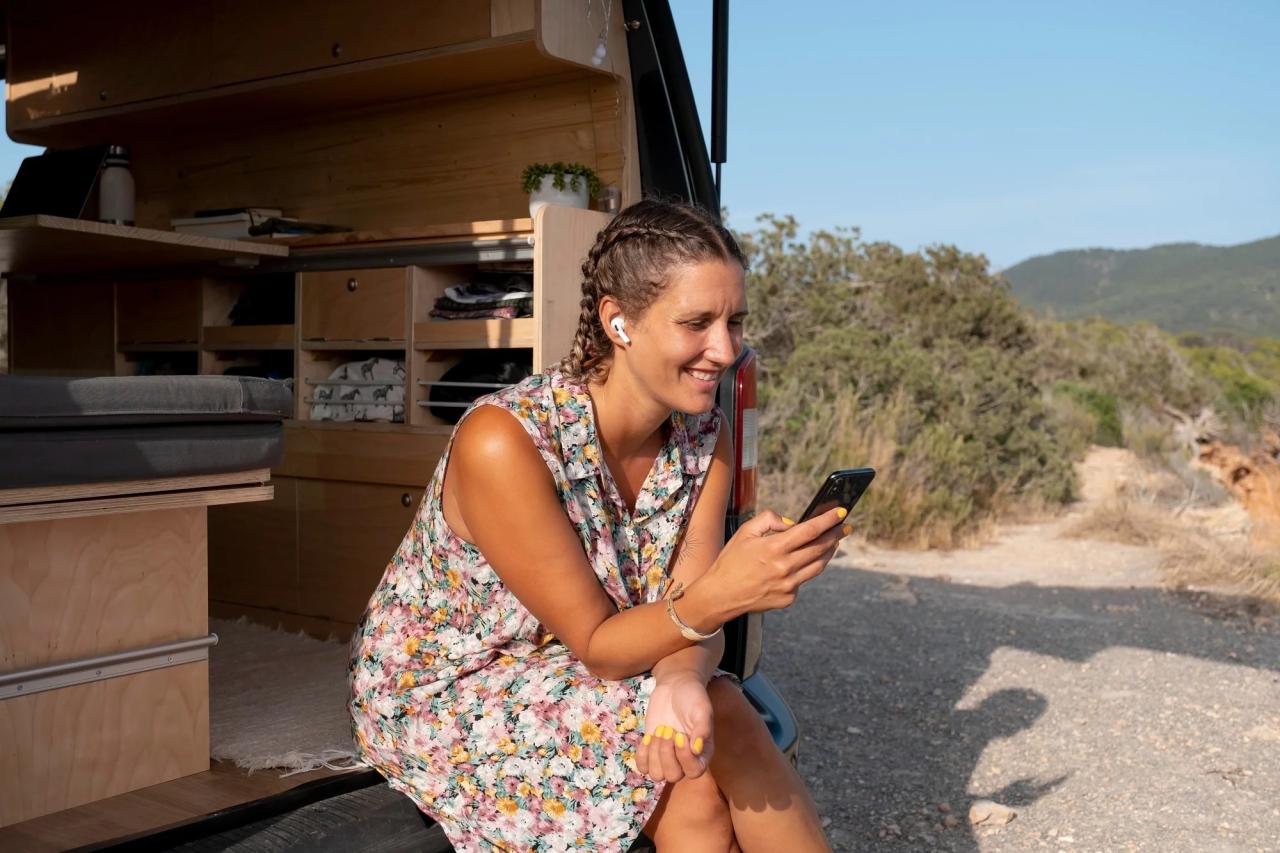
The digital nomad lifestyle, once a niche pursuit, has exploded in popularity. This shift necessitates reliance on technology, making the right apps crucial for navigating the challenges and maximizing the opportunities of remote work and travel. From seamless communication to secure financial management, the right digital tools are essential for a successful nomadic journey.
This guide explores essential app categories, offering comparisons and recommendations to help digital nomads in 2024 navigate the complexities of remote work and global travel efficiently and safely. We’ll cover communication, finance, travel planning, safety, productivity, and additional resources to enhance your nomadic experience.
Must-Have Travel Apps for Digital Nomads in 2024
The digital nomad lifestyle, once a niche pursuit, has exploded in popularity. Individuals are increasingly embracing the freedom to work remotely from anywhere in the world, fueled by advancements in technology and a growing desire for location independence. This shift, however, presents unique challenges. Maintaining productivity, managing finances across borders, and navigating unfamiliar environments all require careful planning and the right tools.
Fortunately, a range of mobile applications can significantly ease these burdens, transforming potential frustrations into opportunities for seamless travel and efficient work.Digital nomads face a unique set of logistical hurdles. Staying connected reliably, managing international payments and currency exchange, finding safe and comfortable accommodation, and ensuring health and safety are all critical considerations. The right apps can streamline these processes, offering solutions for communication, financial management, travel planning, and personal security, ultimately enhancing the overall digital nomad experience and contributing to a more productive and enjoyable lifestyle.
This discussion will focus on essential app categories: communication and productivity tools, financial management apps, travel planning and booking resources, and safety and health applications.
Communication and Productivity Apps
Effective communication and maintaining productivity are paramount for digital nomads. Reliable internet access is crucial, but even with a strong connection, organizing workflows and collaborating with teams across time zones can be complex. Several apps excel at simplifying these aspects of remote work. For example, Slack facilitates seamless team communication, while project management tools like Asana or Trello allow for efficient task assignment and progress tracking.
Video conferencing apps like Zoom or Google Meet enable face-to-face collaboration, regardless of geographical location. These applications are essential for maintaining a professional workflow while on the move.
Financial Management Apps
Managing finances while traveling internationally presents specific complexities. Fluctuating exchange rates, international transaction fees, and budgeting across multiple currencies can be overwhelming without the right tools. Dedicated financial management apps offer solutions for tracking expenses, managing multiple bank accounts, and converting currencies at competitive rates. Examples include Wise (formerly TransferWise), which facilitates international money transfers at low cost, and budgeting apps like Mint or YNAB (You Need A Budget), which provide tools for tracking spending and setting financial goals.
These apps are vital for maintaining financial clarity and control while traveling.
Travel Planning and Booking Apps
Efficient travel planning is crucial for a smooth digital nomad journey. Finding accommodation, booking flights, and navigating transportation options in unfamiliar cities requires careful coordination. Travel planning apps offer comprehensive solutions, aggregating information from various sources and simplifying the booking process. Popular examples include Skyscanner for flight comparison, Booking.com for hotel and accommodation searches, and Google Maps for navigation and local information.
These apps empower digital nomads to efficiently plan their itineraries and navigate new environments with ease.
Safety and Health Apps
Personal safety and health are paramount when traveling internationally. Having access to emergency services, medical information, and secure communication channels is essential for peace of mind. Apps like Medisafe help manage medication schedules, while security apps offer features like location sharing with trusted contacts and emergency SOS functions. Furthermore, apps that provide real-time information on local safety conditions and emergency contacts can be invaluable in unfamiliar territories.
Prioritizing safety and health through these applications contributes significantly to a secure and stress-free travel experience.
Communication & Collaboration Apps
Staying connected and collaborating effectively is crucial for digital nomads. Reliable communication is essential for maintaining relationships, managing projects, and ensuring smooth workflow, regardless of geographical location. Choosing the right apps can significantly impact productivity and overall well-being while working remotely. This section will explore various communication and collaboration tools, highlighting their strengths and weaknesses for the digital nomad lifestyle.
Digital nomads require communication and collaboration tools that offer seamless international calling, robust group chat features, and efficient file-sharing capabilities. Project management tools must facilitate remote teamwork, task assignment, and progress tracking. The choice of apps often depends on individual preferences, project requirements, and budget considerations.
Comparison of Communication Apps for Digital Nomads
WhatsApp, Telegram, and Signal are popular choices for communication, each offering unique features. WhatsApp boasts widespread adoption, making it convenient for connecting with a broad range of people. Its end-to-end encryption provides a degree of privacy, and its voice and video calling features are reliable for international calls. However, its reliance on a phone number for account creation can be a limitation.
Telegram, on the other hand, offers superior file-sharing capabilities and the ability to create larger group chats. Its self-destructing messages and broader range of bot integrations enhance functionality. Signal prioritizes strong security and privacy, offering robust encryption and features designed to protect user data. While it lacks some of the bells and whistles of WhatsApp and Telegram, its focus on security is a significant advantage for privacy-conscious users.
Project Management and Collaboration Tools for Remote Work
Trello, Asana, and Notion represent different approaches to project management. Trello’s Kanban-style boards provide a visual and intuitive way to manage tasks and workflows. Its simplicity makes it easy to learn and use, but it might lack the advanced features needed for complex projects. Asana offers a more comprehensive suite of tools for task management, team collaboration, and project tracking.
Its robust features can be beneficial for larger teams and complex projects, but its learning curve can be steeper. Notion stands out with its flexibility and versatility, acting as a central hub for notes, wikis, databases, and project management. Its customizability allows for tailoring the platform to specific workflows, but its extensive features can lead to information overload for some users.
Comparison Table: Communication and Collaboration Apps
| App | Key Features | Pricing | Pros | Cons |
|---|---|---|---|---|
| International calling, group chats, end-to-end encryption, file sharing | Free | Widely used, reliable calling, simple interface | Limited file sharing compared to others, requires phone number | |
| Telegram | International calling, large group chats, self-destructing messages, robust file sharing, bots | Free | Excellent file sharing, versatile features, strong security | Less widespread adoption than WhatsApp |
| Signal | International calling, group chats, strong end-to-end encryption, focus on privacy | Free | Unparalleled focus on privacy and security | Simpler interface, fewer features compared to others |
| Google Meet | Video conferencing, screen sharing, recording, integration with Google Workspace | Free (limited features), Paid (Google Workspace subscriptions) | Seamless integration with other Google services, reliable video conferencing | Basic free plan has limitations, requires Google account |
Finance & Banking Apps
Managing your finances effectively as a digital nomad is paramount. The constant movement between countries, fluctuating exchange rates, and the need for quick and secure access to funds demand a robust and adaptable financial strategy. Choosing the right banking apps and services can significantly reduce stress and maximize your financial well-being while on the road. This section will explore several key apps and provide practical tips for successful financial management during your travels.The ability to seamlessly manage multiple currencies, transfer funds internationally, and monitor expenses in real-time is crucial for digital nomads.
Without efficient financial tools, tracking spending across various countries and managing potential fees can quickly become overwhelming. Secure platforms are also essential to protect your hard-earned money from fraud and unauthorized access. This section will detail specific apps designed to streamline these processes and offer peace of mind.
Wise (formerly TransferWise)
Wise offers multi-currency accounts, allowing you to hold and manage money in various currencies without incurring hefty conversion fees. Its transparent pricing model clearly displays all fees upfront, unlike many traditional banks. A key feature is the ability to receive local bank details in several countries, making it easy for clients to receive payments from international sources without international transfer fees.
For example, a digital nomad receiving payments from a US client could provide their US-based Wise account details, avoiding expensive international wire transfers. This streamlined approach minimizes expenses and simplifies the process of managing finances across borders.
Revolut
Revolut provides a comprehensive suite of financial tools tailored to international travelers. In addition to multi-currency accounts and international money transfers, Revolut offers features like budgeting tools, expense tracking, and even travel insurance options. Its user-friendly interface and readily available customer support make it a popular choice among digital nomads. The app’s ability to provide real-time exchange rates and notifications on spending helps users stay informed about their financial status.
For instance, users can set spending limits and receive alerts when they approach these limits, promoting responsible financial habits.
N26
N26 is a mobile-first bank offering a range of services designed for ease of use and global accessibility. While not specifically designed for digital nomads, its features like international ATM withdrawals with minimal fees and real-time transaction notifications make it a suitable option for those traveling frequently. The ability to easily block and unblock your card from the app enhances security when traveling, providing peace of mind in potentially risky situations.
For example, if a nomad loses their card, they can quickly disable it, preventing unauthorized transactions.
Tips for Effective Financial Management While Traveling
Effective financial management is key to a stress-free nomadic lifestyle. The following tips can help you stay on top of your finances while traveling:
- Create a detailed budget: Before you go, meticulously plan your expenses, including accommodation, food, activities, and transportation. Regularly review and adjust your budget as needed.
- Track your expenses diligently: Use a budgeting app or spreadsheet to meticulously record all transactions. Categorize your spending to identify areas where you can potentially save money.
- Utilize travel rewards programs: Leverage credit cards and loyalty programs to earn points or miles on travel expenses. These rewards can significantly offset the cost of flights and accommodation.
- Minimize currency exchange fees: Use apps like Wise or Revolut to transfer money and make payments internationally, avoiding high bank fees.
- Inform your bank of your travel plans: Notify your bank of your travel dates and destinations to prevent your cards from being blocked due to unusual activity.
- Keep emergency funds separate: Maintain a readily accessible emergency fund in cash or a separate account to cover unforeseen expenses or emergencies.
Travel Planning & Booking Apps
Choosing the right apps for travel planning and booking is crucial for digital nomads, impacting both budget and overall trip experience. This section will compare popular platforms, guide you through itinerary creation, and offer a comparative analysis of key features.
Flight and Accommodation Booking Platform Comparison
Several platforms offer flight and accommodation booking, each with strengths and weaknesses. Price comparison websites like Google Flights and Skyscanner excel at finding the cheapest options by aggregating data from multiple airlines and travel agencies. However, their user interfaces can sometimes feel overwhelming due to the sheer volume of information presented. Booking.com and Expedia, on the other hand, offer more streamlined interfaces but might not always display the absolute lowest prices.
Customer support varies significantly; some platforms offer 24/7 assistance via chat or phone, while others rely primarily on email support, which can be slower. Ultimately, the best platform depends on individual priorities – prioritizing the lowest price versus ease of use and reliable customer service.
Using a Travel Planning App to Organize Itineraries
Travel planning apps streamline itinerary creation, offering features that significantly improve the nomadic experience. Consider using an app like TripIt, which automatically organizes travel details from confirmation emails. A step-by-step guide to using such an app might look like this:
1. Connect Email Accounts
Link your email accounts to automatically import flight, hotel, and activity bookings.
2. Create a Trip
Specify your travel dates and destination.
3. Add Activities
Manually input any planned activities, restaurant reservations, or transportation details.
4. Organize Itinerary
The app will automatically arrange your bookings chronologically, creating a clear itinerary.
5. Utilize Packing Lists
Many apps offer customizable packing lists to ensure you don’t forget essentials.
6. Download Offline Maps
Download maps of your destinations for offline access, essential in areas with unreliable internet.
7. Share Itinerary
Share your itinerary with friends and family for safety and peace of mind.
Travel Booking App Comparison
The following table compares four popular travel booking apps, highlighting their features, pricing, and user reviews. Note that user reviews are subjective and can vary.
| App Name | Features | Pricing Model | User Reviews (Summary) |
|---|---|---|---|
| Skyscanner | Flight and hotel comparison, price alerts, flexible date search | Free to use, commissions on bookings | Generally positive, praised for price comparison but some complaints about user interface |
| Booking.com | Hotel bookings, vacation rentals, car rentals, activities | Free to use, commissions on bookings | Mostly positive, known for wide selection and reliable customer service |
| Expedia | Flights, hotels, car rentals, activities, packages | Free to use, commissions on bookings | Mixed reviews, some praise for bundled deals, others criticize higher prices compared to competitors |
| TripIt | Itinerary organization, packing lists, offline maps | Free version with limited features, Pro version available for subscription | Generally positive, appreciated for automatic itinerary organization and helpful features |
Safety & Security Apps
For digital nomads, whose work takes them to diverse and often unfamiliar locations, safety and security are paramount. The ability to quickly share your location, contact emergency services, and access travel insurance information can be the difference between a minor inconvenience and a serious crisis. Leveraging technology for safety is not just prudent; it’s essential for maintaining peace of mind while embracing the nomadic lifestyle.The importance of safety and security apps for digital nomads cannot be overstated.
These apps provide crucial features designed to mitigate risks inherent in international travel and remote work. Features such as real-time location sharing with trusted contacts, streamlined access to emergency services, and integration with travel insurance policies are invaluable in potentially hazardous situations. Proactive use of these tools significantly reduces vulnerabilities and enables faster response times during emergencies.
Safety and Security Apps for Travelers
Several apps offer comprehensive safety and security features tailored to the needs of travelers. These apps go beyond basic GPS tracking, providing additional layers of protection and peace of mind. They often integrate multiple features into a single, user-friendly interface.BSafe is a popular choice, offering features like a panic button that sends your location to pre-selected emergency contacts, a live location-sharing function, and a fake call feature to help you escape uncomfortable situations.
Another strong contender is Noonlight, which provides a similar panic button function, but also integrates with local emergency services, allowing for quicker response times. Finally, Guardian Angel is another useful option; it offers real-time location tracking, allowing friends and family to monitor your whereabouts, and provides a check-in system that automatically alerts contacts if you fail to check in at specified times.
Safety Precautions for Digital Nomads
Prioritizing safety requires a multifaceted approach, incorporating both technological and non-technological strategies. The effective use of technology can significantly enhance personal safety while traveling.
- Share your itinerary: Provide a detailed itinerary, including planned accommodations and transportation, to trusted friends or family members. Regularly update them on your location and any changes to your plans.
- Utilize location-sharing apps: Actively use apps like BSafe or Noonlight to share your real-time location with chosen contacts, especially when traveling alone or in unfamiliar areas.
- Enable emergency contacts: Program emergency contact information into your phone and ensure it’s readily accessible. Consider adding local emergency numbers for the countries you’ll be visiting.
- Download offline maps: Download maps of your destinations beforehand, ensuring you can navigate even without internet access. This is especially crucial in areas with limited or unreliable cellular service.
- Register with your embassy: Register your travel plans with your country’s embassy or consulate in your destination country. This allows them to contact you in case of emergencies or widespread disruptions.
- Maintain situational awareness: Be mindful of your surroundings, avoid walking alone at night in unfamiliar areas, and trust your instincts. If a situation feels unsafe, remove yourself from it immediately.
Productivity & Work Apps

Maintaining productivity while embracing the nomadic lifestyle requires a strategic approach to app usage. Digital nomads need tools that seamlessly integrate into their constantly shifting work environments, offering flexibility and reliability regardless of location. The right apps can significantly impact efficiency and overall work-life balance.
Essential Productivity Apps for Digital Nomads
Choosing the right productivity apps is crucial for optimizing workflow and minimizing distractions while working remotely. The following categories represent key areas where specialized apps can greatly improve a digital nomad’s efficiency. Careful consideration should be given to individual needs and preferences when selecting tools.
- Note-Taking Apps: These apps facilitate idea capture, project planning, and meeting minutes, often synchronizing across devices for seamless access.
- Task Management Apps: These apps help organize projects, set deadlines, and prioritize tasks, promoting efficient time allocation and project completion.
- Time Tracking Apps: These apps monitor time spent on specific tasks, providing valuable insights into productivity levels and identifying areas for improvement. This is especially useful for freelancers who bill clients by the hour.
- Calendar & Scheduling Apps: These apps help manage appointments, deadlines, and meetings, crucial for coordinating with clients and collaborators across different time zones.
- Focus & Pomodoro Apps: These apps encourage focused work sessions interspersed with short breaks, enhancing concentration and preventing burnout, especially important when working in unconventional environments.
Note-Taking App Comparison: Evernote, OneNote, Bear
Three popular note-taking apps frequently used by digital nomads are Evernote, OneNote, and Bear. Each offers a unique set of features catering to different preferences and workflows.
| Feature | Evernote | OneNote | Bear |
|---|---|---|---|
| Organization | Notebooks, stacks, tags; highly customizable | Notebooks, sections, pages; integrates well with other Microsoft products | Folders, tags; simpler organization, focused on Markdown |
| Collaboration | Shared notebooks, note sharing | Real-time co-authoring, shared notebooks | Limited collaboration features; better suited for personal use |
| Offline Access | Available with premium subscription | Available | Available |
| Multimedia Support | Excellent support for various file types | Good support for various file types, including audio and video | Good support for images and links |
| Pricing | Free and premium options | Free and premium options | Free and premium options |
Importance of Time Management and Focus Apps for Work-Life Balance
Maintaining a healthy work-life balance is paramount for digital nomads, who often blur the lines between professional and personal life. Time management and focus apps play a vital role in establishing boundaries and preventing burnout. These apps help structure the workday, allocating specific time slots for work and leisure activities. Examples include using the Pomodoro Technique (25 minutes of focused work followed by a 5-minute break) or employing time-blocking techniques to schedule specific tasks within designated timeframes.
By using these apps, digital nomads can better manage their time, avoid overworking, and integrate leisure and relaxation into their daily routine, ultimately leading to increased productivity and a more fulfilling nomadic experience. For example, a digital nomad might use a time-blocking app to schedule 3 hours of focused work in the morning, followed by a lunch break and an afternoon dedicated to exploring a new city.
This structured approach prevents work from encroaching on personal time and promotes a healthier lifestyle.
Additional Resources
Supplementing the core travel apps, a wealth of online resources and tools significantly enhance the digital nomad experience. These resources assist in finding the best deals, discovering ideal locations, and ensuring a smooth and safe journey. Proper utilization of these resources can save considerable time and money, contributing to a more fulfilling nomadic lifestyle.
Finding Travel Deals
Several reputable websites and platforms offer significant savings on flights and accommodations. Utilizing these resources strategically can dramatically reduce travel costs, a key factor for long-term digital nomads.
- Flight Aggregators: Skyscanner, Google Flights, Kayak, Momondo – these platforms compare prices from various airlines, often revealing hidden deals and cheaper routes.
- Accommodation Booking Sites: Booking.com, Airbnb, Hostelworld – these offer a wide range of accommodation options, from budget-friendly hostels to luxurious apartments, allowing for flexibility based on location and budget.
- Travel Deal Websites: Scott’s Cheap Flights, Secret Flying, Travelzoo – these specialize in finding last-minute deals, error fares, and other unique travel bargains.
Popular Digital Nomad Destinations
The ideal destination for a digital nomad depends on individual preferences and priorities. However, several locations consistently rank highly due to their affordability, reliable internet access, and welcoming visa policies.
- Chiang Mai, Thailand: Known for its low cost of living, strong internet infrastructure, and vibrant culture, Chiang Mai attracts a large digital nomad community.
- Medellín, Colombia: A city with a pleasant climate, affordable living costs, and a thriving startup scene, Medellín offers a balance of work and leisure.
- Lisbon, Portugal: A charming city with a relatively low cost of living (compared to other Western European cities), good internet access, and a growing digital nomad community.
- Budapest, Hungary: Offers a blend of affordability, excellent internet connectivity, and a rich cultural heritage.
Utilizing Travel Guides and Blogs
Travel guides and blogs provide valuable insights into potential destinations, offering practical tips and advice beyond what’s found in typical tourist brochures. However, it’s crucial to evaluate the credibility of these sources.Evaluating Credibility: Look for well-researched content, recent updates, diverse perspectives, and transparent author information. Cross-reference information from multiple sources to ensure accuracy. Be wary of overly promotional content or sites lacking clear authorship.
Travel Insurance for Digital Nomads
Comprehensive travel insurance is paramount for digital nomads, protecting against unforeseen circumstances such as medical emergencies, lost belongings, and trip cancellations. The policy should cover medical expenses, emergency evacuation, lost or stolen equipment (including laptops and cameras), and trip interruptions. Consider a policy specifically designed for long-term travelers or digital nomads.
Essential Travel Gadgets
Several gadgets can significantly enhance productivity and comfort while traveling.
- Portable Power Bank: Ensures uninterrupted device usage, especially in areas with limited access to power outlets.
- Noise-Cancelling Headphones: Essential for focused work in busy environments and improved sleep quality.
- Universal Travel Adapter: Enables charging devices in various countries, eliminating the need for multiple adapters.
- Portable Wi-Fi Hotspot: Provides reliable internet access, particularly in locations with inconsistent Wi-Fi.
- External Hard Drive/Cloud Storage: Securely backs up important data, safeguarding against loss or damage.
Embracing the digital nomad lifestyle in 2024 requires a strategic approach to technology. By leveraging the power of the right apps, digital nomads can overcome geographical barriers, streamline their workflow, manage finances effectively, and prioritize safety while exploring the world. This guide has provided a starting point; further research and personal experimentation will help you curate the perfect digital toolkit for your unique nomadic adventure.
FAQ
What if I lose my phone while traveling?
Immediately contact your mobile carrier to suspend your service and report the loss to the local authorities. Consider using a secondary device or a physical backup of essential contact information and login details.
How can I ensure my online banking is secure while traveling?
Use strong, unique passwords, enable two-factor authentication, and only access your banking apps on secure Wi-Fi networks (avoid public Wi-Fi). Monitor your accounts regularly for suspicious activity.
Are there any apps to help me learn local languages?
Yes, apps like Duolingo, Babbel, and Memrise offer interactive language learning courses. These can be invaluable for improving communication and cultural immersion in your travels.


