Embark on a culinary adventure through Bangkok’s vibrant street food scene, a captivating blend of history, culture, and unforgettable flavors. This guide unveils the city’s hidden culinary gems, from bustling markets to quiet alleyways, offering a deep dive into the authentic tastes and traditions that define Bangkok’s gastronomic heart.
We’ll explore iconic dishes, uncover hidden neighborhood favorites, and provide practical tips for navigating this exciting, and sometimes overwhelming, culinary landscape. Learn about the cultural significance of street food, discover the best places to find it, and gain insights into the people who bring these delicious experiences to life. Prepare for a journey that will tantalize your taste buds and enrich your understanding of Bangkok’s rich cultural tapestry.
Bangkok Street Food Scene
Bangkok’s street food scene is a vibrant tapestry woven from centuries of culinary traditions and modern innovations. It’s a sensory explosion, a kaleidoscope of sights, smells, and tastes that defines a significant part of the city’s character and daily life. From humble carts to more established stalls, the sheer variety and accessibility of delicious, affordable food is a defining feature of Bangkok’s urban landscape.The history of Bangkok’s street food is deeply intertwined with the city’s evolution.
Initially, street vendors played a crucial role in feeding the growing population, offering quick, inexpensive meals to laborers and residents alike. Over time, these humble beginnings evolved into a sophisticated and diverse culinary ecosystem, reflecting the city’s multicultural heritage and its constant adaptation to changing times. The influence of Chinese, Indian, and other Southeast Asian cuisines is clearly visible in the incredible range of dishes available.
The street food scene has also adapted to modern tastes, with many vendors incorporating innovative techniques and ingredients into traditional recipes.
Types of Street Food Stalls and Vendors
Bangkok’s street food is sold from a wide array of venues, each with its own unique character and atmosphere. These range from simple pushcarts, often found on busy sidewalks, to more established stalls with seating and a wider menu. Many vendors operate from motorized carts, allowing them to move to different locations throughout the day, ensuring access to a large customer base.
Some vendors specialize in a single dish, perfecting their craft over years, while others offer a more extensive menu, catering to a broader range of tastes. Larger, more permanent stalls often feature a wider selection and may even offer simple seating. The visual diversity is as impressive as the culinary variety, with each stall offering a unique aesthetic.
Some might be brightly colored and adorned with enticing images of their specialties, while others maintain a more understated and functional appearance. Regardless of size or style, these vendors are an integral part of Bangkok’s social fabric, serving as both food providers and community hubs.
Neighborhood Guides
Bangkok’s street food scene isn’t confined to a single area; it’s a vibrant tapestry woven throughout the city’s diverse neighborhoods. Each district boasts its own unique culinary character, offering a fascinating exploration of Thai flavors and cultural nuances. This guide highlights five neighborhoods offering particularly authentic and memorable street food experiences.
Top 5 Bangkok Neighborhoods for Authentic Street Food
Exploring Bangkok’s street food scene means venturing beyond the tourist hotspots. The following table summarizes five neighborhoods renowned for their authentic and diverse culinary offerings, each providing a distinct atmosphere and price range.
| Neighborhood | Must-Try Dishes | Price Range (per dish) | Atmosphere |
|---|---|---|---|
| Yaowarat (Chinatown) | Oyster omelets, dim sum, bak kut teh, various noodle soups | ฿30-฿150 | Bustling, vibrant, with a mix of traditional Chinese and Thai influences. The air is thick with the aroma of sizzling meats and fragrant spices. The streets are alive with activity, especially in the evenings. |
| Bang Rak | Boat noodles, various curries, street-side seafood | ฿40-฿200 | A more sophisticated and less chaotic atmosphere compared to Chinatown, but still retains a strong sense of local life. Many smaller, family-run stalls offer a more intimate dining experience. |
| Khao San Road (adjacent areas) | Pad Thai, mango sticky rice, various fruit shakes, Isaan-style dishes | ฿50-฿180 | A lively and tourist-heavy area, but venturing slightly off the main road reveals hidden gems offering authentic Thai street food at reasonable prices. Expect a mix of backpackers and locals. |
| Sukhumvit Soi 38 | Various regional Thai dishes, including Southern Thai curries and Isaan specialties, fresh seafood | ฿80-฿250 | A more upscale and refined street food experience compared to other areas. While still offering authentic flavors, the presentation and setting are often more polished. |
| Ratchada Rot Fai Night Market | A vast array of Thai street food, grilled meats, seafood, desserts, and international options. | ฿40-฿200 | A bustling and energetic night market with a carnival-like atmosphere. The sheer variety of food is overwhelming, offering a truly immersive experience. Expect crowds, especially on weekends. |
Yaowarat (Chinatown): A Sensory Overload
I remember my first visit to Yaowarat; the cacophony of sounds, the intense aroma of garlic and soy sauce, and the dazzling display of food stalls was truly overwhelming in the best possible way. The energy is palpable, a constant hum of activity that draws you deeper into the heart of the neighborhood. The oyster omelets are a must-try; the perfectly cooked eggs, juicy oysters, and savory sauce are a testament to the skill of the street vendors.
Bang Rak: A More Refined Street Food Experience
Bang Rak offers a contrasting experience to the frenetic energy of Chinatown. While still bustling, it has a more relaxed atmosphere. I recall finding a small, family-run stall tucked away on a side street that served the most incredible boat noodles – a rich, flavorful broth with tender slices of meat and perfectly cooked noodles. The quiet hum of conversation and the gentle clinking of chopsticks created a surprisingly serene dining experience.
Khao San Road (and Surrounding Areas): A Backpacker’s Paradise with Hidden Gems
Khao San Road itself is known for its tourist-oriented establishments, but just a few steps off the main drag, you’ll discover authentic Thai food stalls offering delicious and affordable meals. I stumbled upon a small cart selling mango sticky rice one evening; the sweetness of the mango perfectly complemented the creamy coconut rice, a perfect end to a day of exploring.
Sukhumvit Soi 38: Street Food with a Touch of Elegance
This area offers a more refined street food experience. While still maintaining authenticity, the presentation and overall setting are often more polished than in other neighborhoods. I remember enjoying a particularly memorable Southern Thai curry here, the rich, complex flavors perfectly balanced, served in a clean and well-organized stall.
Ratchada Rot Fai Night Market: A Feast for the Senses
The Ratchada Rot Fai Night Market is an absolute sensory overload, a vibrant tapestry of sights, sounds, and smells. The sheer variety of food available is astonishing. It’s an experience that’s best enjoyed with friends, sharing dishes and soaking up the lively atmosphere. I personally loved the grilled seafood, perfectly cooked and bursting with flavor.
Iconic Street Food Dishes
Bangkok’s street food scene is a vibrant tapestry of flavors, textures, and aromas. Navigating this culinary landscape can be an adventure, but understanding some of the iconic dishes will significantly enhance your experience. This section delves into ten must-try dishes, providing details on their ingredients, preparation, and approximate cost.
Ten Iconic Bangkok Street Food Dishes
Understanding the variety of Bangkok street food is key to a truly authentic experience. The following list showcases ten iconic dishes, each offering a unique taste of Thai culinary heritage.
- Pad Thai: This stir-fried rice noodle dish is arguably Thailand’s most famous street food. Ingredients include rice noodles, eggs, tofu or shrimp, peanuts, bean sprouts, chives, and a flavorful sauce made from tamarind pulp, fish sauce, palm sugar, and chili. Preparation involves stir-frying the noodles with the other ingredients until cooked through. Price: ฿40-฿80 (approximately $1.20-$2.40 USD).
- Mango Sticky Rice: A classic Thai dessert, this dish combines sweet sticky rice, ripe mango slices, and coconut milk. The sticky rice is steamed until soft and then tossed in coconut milk, often with a sprinkle of sesame seeds. The creamy coconut milk complements the sweetness of the mango perfectly. Price: ฿40-฿60 (approximately $1.20-$1.80 USD).
- Green Curry: While often found in restaurants, a flavorful and authentic green curry can be found from many street food vendors. This fragrant curry is made with green chilies, coconut milk, various vegetables (such as bamboo shoots, eggplant, and green beans), and your choice of protein (chicken, beef, tofu, or seafood). It’s served with steamed rice. Price: ฿50-฿100 (approximately $1.50-$3.00 USD).
- Massaman Curry: Unlike the fiery green curry, Massaman curry is a milder, richer dish with influences from Persian and Indian cuisine. It’s made with coconut milk, peanuts, potatoes, onions, and a blend of spices including cumin, coriander, and cinnamon. Beef is a common protein choice. Price: ฿60-฿120 (approximately $1.80-$3.60 USD).
- Som Tum (Green Papaya Salad): This refreshing and spicy salad features shredded green papaya, tomatoes, green beans, garlic, chilies, and a fish sauce-based dressing. The papaya’s firm texture contrasts nicely with the crunchy vegetables and the tangy, spicy dressing. Price: ฿40-฿60 (approximately $1.20-$1.80 USD).
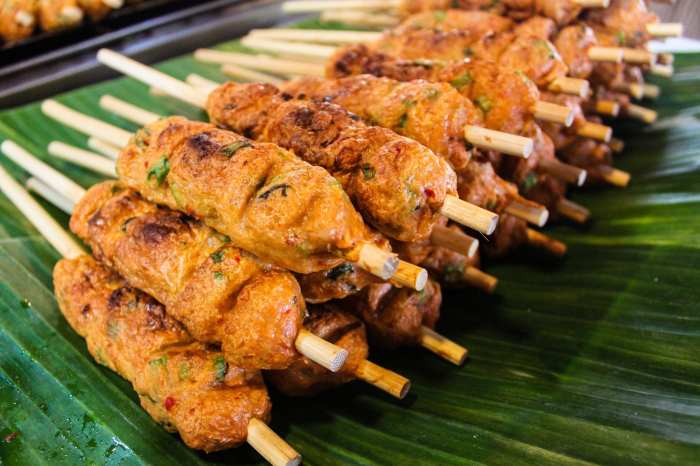
- Moo Ping (Grilled Pork): Marinated pork skewers are grilled to perfection, resulting in tender, flavorful meat. The marinade often includes soy sauce, garlic, pepper, and sugar. These skewers are a popular snack and are often served with a sticky rice. Price: ฿30-฿50 (approximately $0.90-$1.50 USD per skewer).
- Kuay Teow Reua (Boat Noodles): This flavorful noodle soup is named after the boats that once sold it on Bangkok’s canals. It features thin rice noodles in a rich, dark broth, often with beef or pork, and various toppings like meatballs, vegetables, and blood cubes (optional). Price: ฿40-฿70 (approximately $1.20-$2.10 USD).
- Satay: These grilled marinated meat skewers (usually chicken, beef, or pork) are a popular street food throughout Southeast Asia. The marinade typically includes turmeric, lemongrass, and other spices. They are served with a peanut sauce. Price: ฿40-฿60 (approximately $1.20-$1.80 USD per serving).
- Khao Pad (Fried Rice): A staple dish in Thai cuisine, fried rice can be found everywhere. It’s typically made with rice, eggs, vegetables (peas, carrots, onions), and your choice of protein (chicken, pork, shrimp). The flavor is enhanced with soy sauce and often other spices. Price: ฿30-฿60 (approximately $0.90-$1.80 USD).
- Gai Yang (Grilled Chicken): This flavorful grilled chicken is marinated in a blend of soy sauce, garlic, and spices, giving it a delicious smoky flavor. It’s often served with sticky rice and a dipping sauce. Price: ฿50-฿80 (approximately $1.50-$2.40 USD).
Nutritional Value and Spiciness Comparison
The nutritional value and spiciness levels of these dishes can vary greatly depending on the specific ingredients and preparation methods used. The following table provides a general comparison.
| Dish | Nutritional Value (General) | Spiciness Level (1-5, 5 being the spiciest) |
|---|---|---|
| Pad Thai | High in carbohydrates, moderate in protein (depending on protein choice), moderate in fat | 2-3 |
| Mango Sticky Rice | High in carbohydrates, moderate in fat, low in protein | 1 |
| Green Curry | Moderate in carbohydrates, moderate in protein (depending on protein choice), high in fat | 4-5 |
| Massaman Curry | Moderate in carbohydrates, moderate in protein (depending on protein choice), high in fat | 2 |
| Som Tum | Low in calories, high in vitamins and minerals | 3-5 |
| Moo Ping | High in protein, moderate in fat | 1-2 |
| Kuay Teow Reua | High in carbohydrates, moderate in protein, moderate in fat | 2-3 |
| Satay | High in protein, moderate in fat | 1-2 |
| Khao Pad | High in carbohydrates, moderate in protein (depending on protein choice), moderate in fat | 1-2 |
| Gai Yang | High in protein, moderate in fat | 1 |
Finding the Best Street Food
Navigating Bangkok’s vibrant street food scene can be an incredibly rewarding culinary adventure, but it’s crucial to approach it with a blend of enthusiasm and caution. This section provides practical tips for maximizing your experience while prioritizing safety and respect. Understanding a few key strategies will ensure you enjoy the best Bangkok has to offer, both in terms of delicious food and positive interactions.Successfully navigating Bangkok’s street food scene hinges on a combination of observation, common sense, and respectful engagement with vendors.
Prioritizing hygiene and safety is paramount, alongside understanding local customs when interacting with the people who make the food. This will ensure you have a memorable and enjoyable experience.
Hygiene and Food Safety Practices
Choosing where to eat is a critical first step. Look for stalls that are busy – this often indicates fresh ingredients and popular dishes. Observe the cleanliness of the preparation area. Ideally, you’ll see vendors washing their hands frequently and maintaining a clean workspace. Avoid stalls with uncovered food or those that appear unhygienic.
Opt for vendors using gloves or utensils to handle food, minimizing direct contact. Additionally, pay attention to how food is stored; refrigerated items should be kept cold, and cooked foods should be kept at a safe temperature. If something looks questionable, err on the side of caution and choose a different stall.
Bargaining and Respectful Interactions
While bargaining isn’t always expected at street food stalls, it’s common in markets. If you do choose to negotiate, do so politely and respectfully. A simple smile and a friendly “Sawasdee krap/ka” (hello, sir/madam) go a long way. Start by offering a slightly lower price than you’re willing to pay. If the vendor refuses, be prepared to accept their initial price or politely decline.
Remember that street food vendors often work long hours and operate on thin margins. Fairness and respect should always guide your interactions. Avoid aggressive bargaining tactics; a respectful approach will generally lead to a more positive exchange.
Choosing Popular and Reputable Stalls
Look for stalls with long queues – this often indicates delicious and popular food. Consider checking online reviews on platforms like Google Maps or TripAdvisor. These reviews can provide valuable insights into the quality, hygiene, and overall experience at different stalls. Don’t hesitate to ask locals for recommendations; they often know the best hidden gems and can steer you toward authentic and safe options.
Many locals will gladly share their favorite street food spots, adding a personal touch to your culinary journey. Their recommendations can often lead you to places not found in typical tourist guides.
Beyond the Food
Bangkok’s street food scene is far more than just a culinary adventure; it’s a vibrant tapestry woven into the fabric of Thai society, reflecting its history, culture, and daily life. Understanding this cultural context enhances the entire street food experience, transforming a simple meal into a deeper immersion in Thai life.Street food plays a significant role in the social dynamics of Bangkok.
It’s a common meeting place, a hub for social interaction, and a vital part of the everyday rhythm of the city.
Cultural Significance of Street Food
Street food in Thailand is deeply intertwined with the country’s history and traditions. Many dishes have evolved over centuries, reflecting influences from various cultures and adapting to local tastes and ingredients. The accessibility and affordability of street food make it a staple for people from all walks of life, regardless of socioeconomic background. This shared experience around food fosters a sense of community and cultural unity.
For example, the ubiquitous Pad Thai, while adapted over time, still reflects Thailand’s rich history of trade and cultural exchange. The preparation and consumption of these dishes are often passed down through generations, preserving culinary traditions and family bonds.
Social Interactions at Street Food Stalls
Street food stalls are often lively social hubs. They are places where people from different backgrounds converge, sharing a meal and engaging in casual conversation. The bustling atmosphere, the friendly banter between vendors and customers, and the shared experience of enjoying delicious food create a sense of camaraderie and community. Families often gather at these stalls for dinner, friends meet for a quick bite, and even business deals might be struck over a bowl of noodles.
This social interaction is integral to the appeal of street food, making it more than just a meal; it’s a social event. The vibrant energy of these places is palpable – a mixture of aromas, sounds, and friendly interactions that create a uniquely Bangkok experience.
Street Food in Everyday Bangkok Life
Street food is ubiquitous in Bangkok, seamlessly integrated into the daily routines of its residents. From quick breakfasts of
- khao tom* (rice porridge) to elaborate evening meals of
- som tam* (papaya salad) and grilled meats, street food caters to every meal and occasion. It’s a convenient, affordable, and delicious option for busy individuals and families alike. Many people rely on street food vendors for their daily sustenance, creating a symbiotic relationship between vendors and customers. The sheer volume and variety of street food options reflect the city’s dynamism and its residents’ diverse tastes and needs.
For instance, the late-night food stalls cater to the nocturnal lifestyle of Bangkok, offering a wide array of options for those working or socializing late into the night. This highlights the essential role street food plays in the city’s 24/7 rhythm.
Travel Planning & Resources
Embarking on a culinary adventure through Bangkok’s vibrant street food scene requires careful planning to ensure a safe and enjoyable experience. This section provides essential information on travel insurance, helpful apps, and packing essentials to maximize your street food exploration. Thorough preparation will allow you to fully immerse yourself in the city’s diverse and delicious offerings without unnecessary worry.
Travel Insurance in Bangkok
Travel insurance is crucial when venturing into a new city, particularly when engaging in activities like exploring street food stalls. Unexpected illnesses, injuries, or lost belongings can significantly impact your trip, and insurance provides a safety net against such unforeseen circumstances. Consider policies that cover medical emergencies, evacuation, lost luggage, and trip cancellations. While many policies offer standard coverage, some may offer specialized options for adventurous travel, including coverage for food poisoning.
It’s advisable to carefully review policy details before purchasing to ensure adequate protection tailored to your specific needs. For example, a policy covering emergency medical expenses could save you thousands of baht in the event of a serious illness.
Useful Travel Apps for Bangkok Street Food Exploration
Several apps can greatly enhance your street food experience in Bangkok. These tools assist with navigation, finding nearby food stalls, translating menus, and even making reservations.
- Google Maps: An essential tool for navigating Bangkok’s complex streets and locating specific food stalls. Its offline maps functionality is particularly useful for areas with limited internet access.
- Grab: Bangkok’s ubiquitous ride-hailing app provides convenient and affordable transportation to even the most tucked-away street food gems.
- Foodpanda or GrabFood: These food delivery apps allow you to order from a wide selection of street food vendors for delivery directly to your accommodation.
- Google Translate: A lifesaver for deciphering menus and communicating with vendors who may not speak English.
Essential Travel Items for a Bangkok Street Food Adventure
Packing appropriately ensures comfort and safety while exploring Bangkok’s street food scene.
- Comfortable walking shoes: You’ll be doing a lot of walking, so comfortable footwear is essential.
- Reusable water bottle: Staying hydrated is crucial, especially in Bangkok’s tropical climate. Refill it at your hotel or with bottled water.
- Sunscreen and hat: Bangkok’s sun can be intense, so protect your skin.
- Small backpack or shoulder bag: Keep your essentials close and your hands free for exploring.
- Wet wipes or hand sanitizer: Maintain hygiene, especially when eating street food.
- Portable charger: Keep your phone charged for navigation and communication.
- Basic Thai phrasebook or translation app: Even a few basic phrases can enhance your interactions with locals.
Exploring Related Travel Aspects
Thailand offers a wealth of culinary experiences beyond the vibrant streets of Bangkok. Venturing outside the capital reveals diverse regional cuisines, each with its own unique flavors and traditions. Exploring these regional specialties enhances any Thai food-focused trip, providing a more complete and authentic understanding of Thai gastronomy.Exploring regional Thai cuisine reveals a tapestry of flavors shaped by local ingredients and cultural influences.
From the spicy curries of the south to the lighter, fresher dishes of the north, each region boasts its own culinary identity. This diversity is a testament to Thailand’s rich history and cultural heritage, making a culinary journey through the country a truly enriching experience.
Culinary Delights Beyond Bangkok
Northern Thailand, particularly Chiang Mai, is known for its flavorful khao soi, a rich coconut curry noodle soup. The cuisine here is often influenced by neighboring countries like Myanmar and Laos, resulting in a unique blend of spices and flavors. Southern Thailand, with its coastal location, features seafood-centric dishes and a spicier palette, reflecting the region’s proximity to Malaysia and Indonesia.
The Isaan region in northeastern Thailand is famous for its som tam (papaya salad), a pungent and refreshing dish that showcases the region’s distinctive culinary identity. Central Thailand, while less regionally distinct than the others, offers a broader range of dishes, many of which have become nationally popular.
Thai Travel Deals and Packages with Culinary Focus
Many travel agencies and online platforms offer packages that incorporate culinary experiences. For instance, a tour might include a cooking class focusing on specific regional dishes, a guided street food tour in a particular city, or visits to local markets to learn about sourcing ingredients. These packages often bundle accommodation, transportation, and guided excursions, offering a convenient and cost-effective way to explore Thailand’s food scene.
Some examples include multi-day tours that focus on specific regions, allowing for deeper exploration of local culinary traditions. These often include visits to local farms or producers, providing a comprehensive insight into the origin and preparation of Thai food. Budget travelers might find deals on individual components like cooking classes or food tours, combining them with independently booked accommodation and transportation.
Utilizing Travel Blogs and Online Resources for Food-Focused Trips
Numerous travel blogs and websites specialize in culinary tourism. These resources provide invaluable information on restaurants, street food stalls, cooking classes, and local markets. They often feature detailed reviews, photographs, and maps, making it easy to plan a food-focused itinerary. Websites such as TripAdvisor, Lonely Planet, and specialized food blogs provide user reviews, ratings, and recommendations, allowing travelers to make informed choices based on others’ experiences.
Furthermore, online resources often provide insider tips, lesser-known gems, and up-to-date information on local events and festivals related to food. Utilizing these resources significantly enhances the planning process, ensuring a more fulfilling and authentic culinary adventure.
Visual Representation
Bangkok’s street food scene isn’t just about delicious tastes; it’s a vibrant spectacle for the senses. The visual appeal, the bustling atmosphere, and the individual character of each vendor all contribute to the unique experience. This section will delve into the visual richness of Bangkok’s street food, showcasing its captivating aspects.
Pad Thai’s Visual Symphony
The iconic Pad Thai offers a feast for the eyes as much as the stomach. A perfectly prepared plate is a study in contrasts. The bright orange of the noodles, glistening with a subtle sheen from the oil, is punctuated by the vibrant green of chopped scallions and the deep crimson of crushed chili flakes. Scattered throughout are the creamy white nuggets of tofu, the crunchy peanuts adding a textural contrast, and perhaps a few sprigs of cilantro offering a touch of fresh green.
The overall effect is a harmonious blend of color and texture, promising a delightful culinary experience. The glistening sauce adds depth, its subtle sheen hinting at the savory-sweet flavors within. The careful arrangement of ingredients, often in a slightly mounded presentation, suggests both care and artistry.
The Bustling Energy of Yaowarat
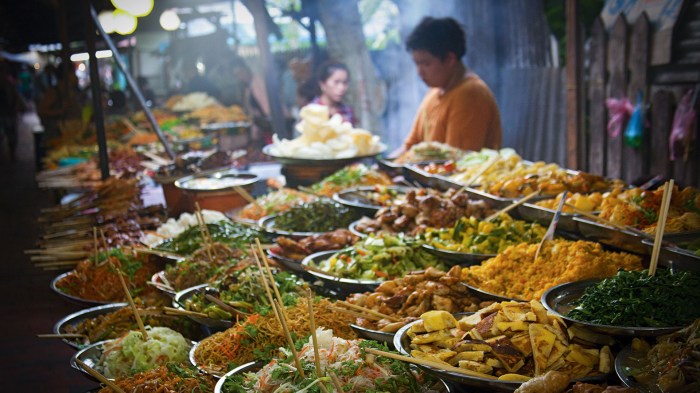
Yaowarat, Bangkok’s Chinatown, is a street food paradise that explodes with sensory stimulation. Imagine the scene: Rows upon rows of brightly lit food stalls line the narrow streets, a kaleidoscope of color from the various dishes on display. The air hums with the constant chatter of vendors and customers, the rhythmic clang of woks, the sizzling of meat on grills, and the occasional burst of laughter.
The aroma is a heady mix – sweet, savory, spicy, and sometimes a little pungent – a complex tapestry of scents that draw you deeper into the heart of the market. The sheer density of people, a throng of locals and tourists alike, adds to the energy, a vibrant, almost chaotic, yet strangely organized flow of movement. The flickering neon signs cast a warm glow on the scene, further enhancing the vibrant atmosphere.
The Portrait of a Mango Sticky Rice Vendor
Consider the image of a seasoned mango sticky rice vendor. They might be dressed in a simple, slightly faded but clean shirt, perhaps tucked into loose-fitting trousers. Their hands, often weathered and bearing the marks of years spent expertly preparing this beloved dessert, move with practiced ease. Their tools are simple yet essential: a steaming pot for the sticky rice, a basket overflowing with ripe, golden mangoes, and a collection of small bowls and spoons.
Their expression is often a mixture of quiet pride and gentle warmth, a reflection of their dedication to their craft and their genuine pleasure in sharing their delicious creation. The subtle smile, the knowing glance, and the effortless grace with which they serve each customer speak volumes about their years of experience and their passion for their work.
They are not just vendors; they are storytellers, silently narrating the history and heart of Bangkok’s street food culture through their actions and their delicious creations.
From the fragrant aromas to the bustling atmosphere, experiencing Bangkok’s street food is more than just eating; it’s a cultural immersion. This guide has provided a starting point for your own exploration, equipping you with the knowledge and confidence to navigate this delicious world safely and respectfully. So, pack your appetite, embrace the adventure, and prepare to savor the unforgettable flavors of Bangkok’s authentic street food scene.
Clarifying Questions
Is it safe to eat street food in Bangkok?
Generally, yes, but choose vendors with high turnover (fresh food) and visible hygiene practices. Avoid undercooked food and ice.
How much should I budget for street food?
Prices vary widely, but you can enjoy delicious meals for as little as a few dollars per dish.
What language should I use with vendors?
While English is spoken in tourist areas, learning basic Thai phrases is appreciated. Pointing and using pictures can also help.
What’s the best way to get around to different street food spots?
Bangkok offers various options, including taxis, tuk-tuks, the BTS Skytrain, and the MRT subway. Consider using ride-hailing apps.


