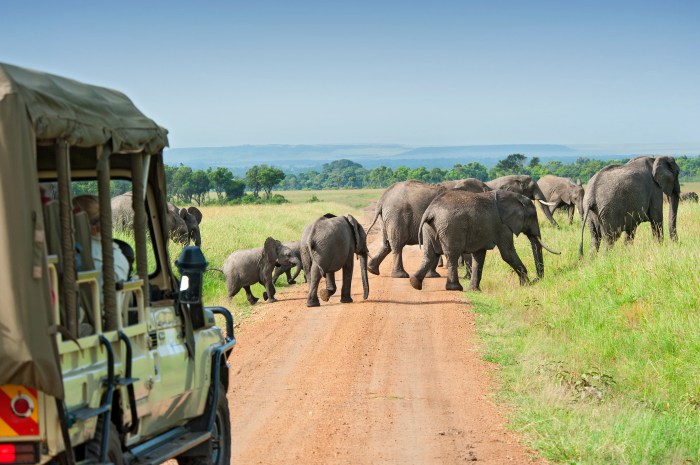
Embark on a journey to discover the world’s premier wildlife safari destinations. This exploration delves into the diverse landscapes and incredible wildlife encounters awaiting adventurous travelers. From the vast African savannas to the lush rainforests of South America, we’ll uncover the best locations for witnessing breathtaking wildlife spectacles and experiencing unique safari styles. Prepare to be captivated by the thrill of encountering majestic creatures in their natural habitats, and learn how to plan an unforgettable and responsible safari adventure.
We will examine various safari types, from thrilling game drives to serene walking safaris and exhilarating hot air balloon rides, detailing the advantages and disadvantages of each. Practical planning advice, including essential preparations, reputable tour operators, budget considerations, and the importance of sustainable tourism, will equip you with the knowledge to craft your perfect safari experience. Discover the wonders of responsible travel and contribute to the preservation of these incredible ecosystems and the communities that depend on them.
Top Wildlife Safari Destinations
Planning a wildlife safari can be an exciting but overwhelming task, given the sheer number of incredible locations worldwide. This section will highlight ten of the best destinations, focusing on their unique wildlife viewing opportunities and practical considerations for your trip. We’ll delve into the specific animals you might encounter, the best time to visit, and factors like accessibility and cost to help you make an informed decision.
Top Ten Wildlife Safari Destinations
Choosing the right safari destination depends on your priorities – specific animals you wish to see, your budget, and the level of comfort you desire. The table below provides a concise overview of ten exceptional destinations, categorized by continent for easier navigation.
| Destination | Country | Key Wildlife | Best Time to Visit |
|---|---|---|---|
| Serengeti National Park | Tanzania | Lions, elephants, leopards, cheetahs, wildebeest, zebras | June-October (Great Migration) |
| Masai Mara National Reserve | Kenya | Lions, elephants, leopards, cheetahs, wildebeest, zebras | July-October (Great Migration) |
| Kruger National Park | South Africa | Lions, elephants, leopards, rhinos, giraffes, buffalo | May-October (dry season) |
| Chobe National Park | Botswana | Elephants, lions, leopards, buffalo, hippos | May-October (dry season) |
| Etosha National Park | Namibia | Elephants, lions, rhinos, giraffes, zebras, cheetahs | June-October (dry season) |
| Okavango Delta | Botswana | Elephants, lions, leopards, hippos, crocodiles, various bird species | June-October (dry season) |
| Queen Elizabeth National Park | Uganda | Elephants, lions, leopards, hippos, chimpanzees, various bird species | June-September (dry season) |
| Mana Pools National Park | Zimbabwe | Elephants, lions, leopards, hippos, crocodiles, various bird species | June-October (dry season) |
| Yellowstone National Park | USA | Bison, elk, wolves, bears (grizzly and black), pronghorn | June-September |
| Amazon Rainforest | Brazil, Peru, Colombia etc. | Jaguars, monkeys, sloths, caimans, anaconda, diverse birdlife and insects | August-November (dry season in some areas) |
Unique Wildlife Viewing Opportunities
Each destination offers unique wildlife encounters. The Serengeti and Masai Mara are renowned for the Great Migration, a spectacular event where millions of wildebeest and zebras traverse the plains. Kruger National Park boasts a high density of the “Big Five” (lion, elephant, leopard, rhino, buffalo), while Chobe National Park is famous for its massive elephant herds. The Okavango Delta provides opportunities for mokoro (dugout canoe) safaris, offering a unique perspective on the wildlife.
Etosha National Park’s vast salt pan attracts large numbers of animals during the dry season, making for exceptional viewing. Uganda’s Queen Elizabeth National Park allows for chimpanzee trekking in addition to traditional game drives. The Amazon rainforest provides a completely different experience, focusing on the incredible biodiversity of the jungle, with opportunities to see jaguars and diverse primate species.
Mana Pools in Zimbabwe offers unparalleled walking safaris due to its low density of dangerous animals and abundance of wildlife along the Zambezi River. Yellowstone National Park offers a unique North American wildlife experience, showcasing iconic species like bison and wolves.
Safari Destination Comparison
This table compares the destinations based on accessibility, cost, and overall safari experience. These are generalizations, and costs can vary greatly depending on the type of accommodation and activities chosen.
| Destination | Accessibility | Cost | Overall Safari Experience |
|---|---|---|---|
| Serengeti/Masai Mara | Relatively easy access via international airports | Moderate to high | Exceptional wildlife viewing, especially during the Great Migration |
| Kruger National Park | Easy access, well-developed infrastructure | Moderate | Reliable wildlife sightings, self-drive options available |
| Chobe National Park | Good access, but often requires internal flights | High | Excellent elephant viewing, boat safaris |
| Etosha National Park | Easy access, self-drive is popular | Moderate | Vast landscapes, good wildlife viewing from hides |
| Okavango Delta | Requires internal flights and transfers | High | Unique mokoro safaris, exclusive experience |
| Queen Elizabeth National Park | Good access, but some areas require 4×4 vehicles | Moderate | Diverse wildlife, chimpanzee trekking |
| Mana Pools National Park | Requires internal flights and transfers | High | Exceptional walking safaris, intimate wildlife encounters |
| Yellowstone National Park | Easy access via car, well-developed infrastructure | Moderate | Unique North American wildlife, diverse landscapes |
| Amazon Rainforest | Variable access, depending on location and lodge | Moderate to high | Unique jungle experience, diverse wildlife, but can be challenging |
Safari Experiences
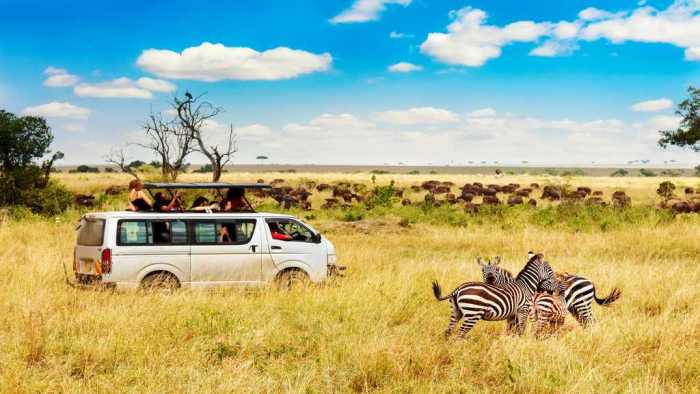
Choosing the right safari experience is crucial for maximizing your wildlife viewing opportunities and ensuring a memorable trip. Different safari styles offer unique perspectives and levels of engagement with the African wilderness. Understanding the advantages and disadvantages of each, alongside the logistical considerations, will help you select the perfect adventure.
Walking Safaris
Walking safaris provide an intimate and immersive experience, allowing for close encounters with wildlife and a deeper connection with the landscape. Experienced guides lead small groups on carefully planned routes, emphasizing safety and respect for the environment.
- Advantages: Offers unparalleled closeness to nature; provides a heightened sense of adventure; allows for detailed observation of flora and fauna; excellent for bird watching and smaller animal spotting.
- Disadvantages: Can be physically demanding; requires a higher level of fitness; carries inherent risks associated with wildlife encounters; limited viewing range compared to game drives.
Walking safaris typically last between 2-4 hours and cost between $100-$300 per person. The physical demands are moderate to high, requiring a reasonable level of fitness and stamina. Wildlife sightings may include smaller mammals like meerkats and antelope, diverse bird species, and potentially larger animals at a safe distance. Imagine a close encounter with a giraffe browsing peacefully, the detailed textures of its skin visible, or the intricate patterns of a butterfly’s wings in the sun.
Game Drives
Game drives are the most common and arguably the most accessible type of safari. Participants travel in open-top vehicles, driven by experienced guides, allowing for extensive exploration of national parks and reserves.
- Advantages: Covers a large area in a short time; offers comfortable viewing; safer than walking safaris; suitable for people with limited mobility.
- Disadvantages: Limited interaction with nature; wildlife viewing can be less intimate; susceptible to weather conditions; potential for overcrowding in popular areas.
Game drives typically last between 4-6 hours and cost between $50-$200 per person. Physical demands are low, suitable for most fitness levels. Sightings are likely to include a wide range of animals, from the “Big Five” (lion, elephant, rhino, leopard, and buffalo) to various antelope species, birds, and reptiles. Picture a majestic lion pride basking in the afternoon sun, or a herd of elephants gracefully moving through the savanna.
Hot Air Balloon Safaris
Hot air balloon safaris offer a unique and breathtaking perspective of the African landscape. Floating silently above the plains, you witness wildlife from a completely different vantage point.
- Advantages: Unforgettable and spectacular views; provides a unique perspective on wildlife; quieter and less disruptive to animals; offers stunning photographic opportunities.
- Disadvantages: Expensive; weather dependent; limited duration; not suitable for people with a fear of heights.
Hot air balloon safaris usually last 1-2 hours and cost between $500-$1000 per person. Physical demands are minimal. Wildlife sightings are often more distant than other safari types but offer a unique panoramic view of large herds and their movements across the landscape. Imagine a breathtaking sunrise painting the sky as you float above a vast expanse of wildlife, witnessing the beauty of nature from an unparalleled perspective.
Boat Safaris
Boat safaris are particularly popular in areas with significant waterways, such as the Okavango Delta in Botswana or the Zambezi River. They provide a different perspective on wildlife, offering opportunities to observe animals from the water.
- Advantages: Allows for close-up views of aquatic wildlife; provides a quieter and less intrusive approach; offers a unique perspective on the landscape; suitable for observing hippopotamuses and crocodiles.
- Disadvantages: Limited to areas with water bodies; weather dependent; can be affected by water levels; potential for motion sickness.
Boat safaris typically last between 2-4 hours and cost between $100-$300 per person. Physical demands are low. Wildlife sightings commonly include hippos, crocodiles, various bird species, and aquatic mammals. Envision a pod of playful hippos submerged in the water, their eyes peering above the surface, or a majestic crocodile basking on a riverbank.
Planning Your Safari Trip
Embarking on a wildlife safari is an incredible adventure, but thorough planning is crucial for a safe and rewarding experience. Careful preparation ensures you maximize your chances of witnessing breathtaking wildlife encounters and minimizes potential disruptions. This section Artikels essential considerations for planning your safari trip.
A well-organized safari requires attention to various logistical and practical aspects. From securing necessary travel documents to selecting appropriate lodging and budgeting effectively, pre-trip planning directly impacts the quality of your safari experience.
Essential Travel Preparations
Before setting off, compiling a comprehensive checklist of essential travel preparations is paramount. This includes securing necessary travel documents, ensuring appropriate vaccinations, and packing suitable clothing and equipment. Overlooking these details can lead to significant delays or even compromise your safety and enjoyment.
- Obtain necessary visas well in advance of your travel dates. Visa requirements vary depending on your nationality and the country you’re visiting. Allow ample processing time to avoid last-minute complications.
- Consult your doctor about recommended vaccinations and necessary preventative medications for the region you’ll be visiting. Many African safari destinations require vaccinations against diseases like yellow fever, typhoid, and malaria. Begin your vaccination schedule well in advance of your trip to allow sufficient time for multiple doses.
- Pack lightweight, neutral-colored clothing suitable for warm weather. Include long-sleeved shirts and pants to protect against the sun and insect bites. Sturdy, comfortable walking shoes are essential for game drives and bush walks. Don’t forget a wide-brimmed hat, sunglasses, and high SPF sunscreen.
- Bring binoculars for wildlife viewing, a camera with sufficient memory and batteries, and a daypack to carry essentials during game drives. A portable charger for electronic devices is also highly recommended.
- Consider travel insurance that covers medical emergencies, trip cancellations, and lost luggage. This provides peace of mind and financial protection during your journey.
Choosing a Reputable Tour Operator and Accommodation
Selecting a reputable tour operator is critical for a smooth and successful safari. A reputable operator will handle all the logistics, ensuring a seamless experience. Furthermore, choosing the right accommodation contributes significantly to the overall enjoyment of your trip.
Research and compare different tour operators, reading reviews and testimonials from previous clients. Look for operators with a proven track record of providing safe and high-quality safari experiences. Consider factors such as the operator’s experience, the itineraries they offer, and their commitment to sustainable tourism practices. A reputable operator will also provide clear and comprehensive information about the cost, inclusions, and exclusions of their safari packages.
Accommodation options range from luxury lodges to more budget-friendly campsites. Consider your budget and preferences when selecting your accommodation. Luxury lodges often offer exceptional amenities and personalized service, while campsites provide a more immersive and adventurous experience. Ensure the accommodation is located in a safe and convenient location, with easy access to game viewing areas.
Budgeting for Your Safari Trip
Safari trips can range significantly in cost depending on the duration, level of luxury, and activities included. Creating a realistic budget is crucial to avoid unexpected expenses and ensure a financially responsible trip. Consider all aspects of your trip when calculating your budget.
Budgeting should encompass various cost components. Flights to and from your destination can be a substantial expense, especially if flying internationally. Accommodation costs vary depending on the type of lodging chosen. Park fees and permits are required to enter national parks and reserves, and these costs should be factored into your budget. Additionally, the cost of activities such as guided game drives, bush walks, and hot air balloon safaris can add significantly to the overall cost of the trip.
For example, a 7-day safari in Tanzania could cost anywhere from $3,000 to $15,000 per person, depending on the level of accommodation and activities chosen. A more luxurious safari in Botswana might cost significantly more. It’s advisable to get detailed quotes from tour operators to understand the total cost of the trip before committing to booking.
Wildlife Conservation and Responsible Tourism
Wildlife safaris offer an unparalleled opportunity to witness the beauty and diversity of the natural world, but their impact on the environment and local communities must be carefully considered. Responsible tourism plays a crucial role in ensuring that these incredible experiences benefit both wildlife and people, contributing to the long-term preservation of these precious ecosystems. Ecotourism, in particular, strives to minimize negative impacts while maximizing positive contributions to conservation.Ecotourism’s vital role in supporting wildlife conservation efforts is multifaceted.
Revenue generated through responsible tourism initiatives can directly fund conservation projects, such as anti-poaching patrols, habitat restoration, and community-based conservation programs. By creating economic incentives for conservation, ecotourism helps shift local priorities towards protecting wildlife and their habitats. Furthermore, the increased awareness and appreciation for wildlife generated by tourism can foster a sense of stewardship and encourage greater support for conservation efforts among both tourists and local populations.
Sustainable Tourism Practices for Safari Travelers
Adopting sustainable practices while on safari is vital for minimizing your environmental footprint and maximizing the positive impact of your trip. Responsible travel choices directly contribute to the preservation of wildlife and their habitats, while also supporting local communities.Choosing tour operators committed to sustainable practices is paramount. Look for operators that prioritize minimizing their environmental impact, support local communities, and contribute to conservation efforts.
These operators often employ local guides, source food and supplies locally, and invest a portion of their profits back into conservation initiatives. For example, a tour operator might partner with a local community to manage a wildlife sanctuary, providing employment and generating income that directly benefits the community. Another example would be operators that invest in carbon offsetting programs to compensate for their travel emissions.
Impact of Responsible Travel Choices
Responsible travel choices have a profound impact on both local communities and the environment. Supporting locally owned businesses, such as lodges, restaurants, and craft markets, ensures that the economic benefits of tourism are directly channeled back into the local economy, creating jobs and improving livelihoods. This fosters a sense of ownership and pride in the local environment, encouraging further conservation efforts.
Furthermore, responsible tourists minimize their environmental impact by reducing waste, conserving water, and respecting wildlife. Avoiding activities that harm wildlife, such as disturbing nesting sites or feeding animals, is essential for preserving the natural balance of the ecosystem. Conversely, irresponsible tourism can lead to habitat destruction, pollution, and the exploitation of local communities. For example, uncontrolled tourism can lead to increased traffic congestion, damaging fragile ecosystems and disturbing wildlife.
Unregulated waste disposal contributes to pollution of water sources and soil, harming both wildlife and human populations.
Related Travel Information
Planning a wildlife safari involves more than just booking flights and accommodation; it requires careful consideration of various travel aspects to ensure a smooth and enjoyable experience. This section provides a comprehensive resource guide encompassing essential travel information, from finding the best deals to utilizing helpful apps and securing adequate insurance. Understanding these elements is crucial for maximizing your safari adventure while minimizing potential setbacks.
Efficiently navigating the world of travel deals and resources can significantly enhance your safari planning. This section offers a practical guide to finding affordable options, using technology effectively, and understanding the importance of travel insurance. It aims to empower you with the knowledge and tools needed for a well-rounded and stress-free travel experience.
Travel Deals, Guides, and Resources
The following table provides a categorized list of resources to aid in your safari planning. Utilizing these resources can significantly enhance your trip’s organization and affordability.
| Category | Resource Type | Example/Description | Benefits |
|---|---|---|---|
| Travel Deals | Flight comparison websites | Skyscanner, Google Flights, Kayak – these websites compare prices from multiple airlines and travel agencies. | Finding the cheapest flights often requires flexibility with dates and destinations. |
| Travel Destinations | Travel Blogs and Forums | Numerous blogs and forums (e.g., TripAdvisor, Lonely Planet Thorn Tree) offer first-hand accounts and reviews of safari destinations. | Gaining insights into lesser-known destinations and avoiding potential pitfalls. |
| Travel Guides | Guidebooks and online resources | Lonely Planet, Rough Guides, and destination-specific websites offer detailed information on local customs, attractions, and practical advice. | Comprehensive information on local culture, geography, and practical tips. |
| Travel Insurance | Insurance providers | World Nomads, Allianz Global Assistance, and many others offer various levels of coverage. | Protection against unforeseen events like medical emergencies, trip cancellations, and lost luggage. |
| Travel Apps | Navigation, translation, and booking apps | Google Maps, Duolingo, Booking.com – these apps offer essential functionalities for navigating unfamiliar territories and managing bookings. | Streamlining the travel process and improving accessibility. |
| Travel Blogs | Personal travel blogs | Numerous travel bloggers share their experiences and advice, providing unique perspectives on safari destinations. | Diverse viewpoints and insider tips often unavailable in traditional guidebooks. |
| Travel Essentials | Packing lists and checklists | Many websites and blogs provide detailed packing lists tailored to safari travel, including clothing, gear, and medications. | Ensuring you have all the necessary items for a comfortable and safe safari. |
| Travel Gadgets | Portable chargers, binoculars, cameras | These gadgets can significantly enhance your safari experience, ensuring you stay connected and capture memorable moments. | Improving convenience, safety, and the quality of your experience. |
Tips for Finding Affordable Travel Deals
Securing affordable travel deals requires proactive planning and strategic research. The following tips can significantly reduce the overall cost of your safari trip.
Consider traveling during the shoulder seasons (periods between peak and off-peak seasons) for lower prices and fewer crowds. Utilize flight comparison websites and be flexible with your travel dates to find the best deals. Booking accommodations and tours in advance, especially during peak season, can often secure better rates. Look for package deals that combine flights, accommodation, and activities for potential savings.
Finally, consider alternative accommodation options like guesthouses or lodges for more budget-friendly choices.
Effective Utilization of Travel Apps
Travel apps can significantly simplify and enhance your safari experience. Effective use requires understanding their functionalities and limitations.
Download necessary apps before your trip to avoid connectivity issues. Utilize offline maps to navigate remote areas. Familiarize yourself with the app’s features and functionalities before relying on them during your trip. Regularly check for updates and ensure the apps are compatible with your device. Use apps to compare prices for tours, activities, and transportation to ensure you are getting the best value.
Importance of Travel Insurance and Policy Considerations
Travel insurance is crucial for mitigating risks associated with unexpected events during your safari. A comprehensive policy provides financial protection and peace of mind.
Consider the following checklist when choosing a travel insurance policy: Coverage for medical emergencies and evacuations, trip cancellation or interruption coverage, baggage loss or damage coverage, and emergency assistance services. Ensure the policy covers the specific activities you plan to undertake (e.g., wildlife safaris often involve higher risk). Carefully review the policy’s terms and conditions, including exclusions and limitations.
Choose a reputable insurance provider with a proven track record and positive customer reviews. Finally, ensure the policy covers the duration of your trip and provides adequate coverage amounts.
Planning a wildlife safari requires careful consideration, but the rewards are immeasurable. By understanding the diverse safari experiences available, prioritizing responsible tourism, and making informed choices about your travel arrangements, you can embark on a journey that is both personally enriching and contributes to the conservation of our planet’s precious wildlife. Remember, a well-planned safari ensures not only a memorable adventure but also a positive impact on the environment and local communities.
So, start planning your dream safari today and prepare to be amazed by the wonders of the natural world.
General Inquiries
What is the best time of year to go on safari?
The best time varies depending on the location and the animals you want to see. Generally, the dry season (typically June to October in many African locations) offers better wildlife viewing due to increased animal activity around water sources.
How much does a wildlife safari typically cost?
Costs vary greatly depending on the destination, duration, type of safari, and level of accommodation. Budget safaris are possible, but luxury safaris can be very expensive.
What vaccinations are recommended for a safari?
Consult your doctor well in advance of your trip. Recommended vaccinations will depend on your itinerary and may include yellow fever, typhoid, and others. Malaria prophylaxis is often advised for certain regions.
Are safaris safe?
Safaris are generally safe when undertaken with reputable tour operators who prioritize safety measures. However, it’s crucial to follow their guidelines and heed any warnings about potential risks.


