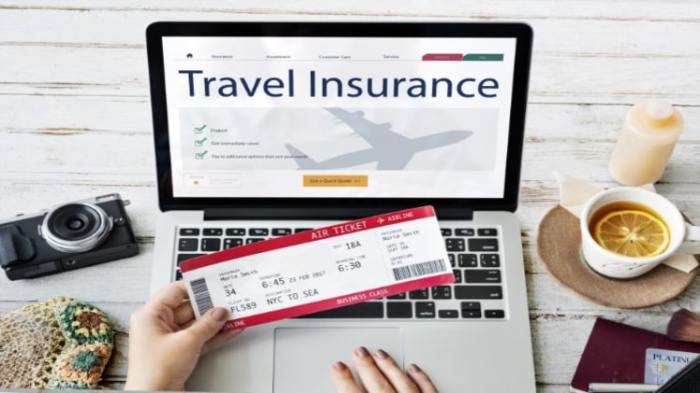
Navigating the world of online travel insurance can feel overwhelming. With countless providers and policy options, choosing the right coverage can be a daunting task. This comprehensive guide simplifies the process, providing you with the knowledge and tools to confidently secure the ideal travel insurance policy before your next adventure. We’ll explore everything from understanding different coverage types to successfully filing a claim, ensuring a worry-free travel experience.
From understanding basic coverage options like trip cancellation and medical emergencies to comparing providers based on customer service and claim processing, this guide will empower you to make informed decisions. We’ll walk you through the online purchasing process step-by-step, highlighting key considerations and providing practical tips to avoid common pitfalls. By the end, you’ll be equipped to select and purchase travel insurance with confidence.
The Online Purchasing Process

Buying travel insurance online is a straightforward process, but understanding the steps and the implications of different policy wordings is crucial for securing adequate coverage. This section will guide you through the process, from initial selection to final payment, highlighting key considerations along the way. Remember, the specific steps might vary slightly depending on the insurer’s website, but the overall process remains consistent.
The online purchase typically begins with entering trip details. This includes your destination, travel dates, and the number of travelers. Based on this information, the insurer will present various coverage options. Carefully reviewing these options is paramount. You’ll encounter different levels of coverage, impacting the premium cost.
For example, a “basic” plan might only cover medical emergencies, while a “comprehensive” plan could include trip cancellations, lost luggage, and other unforeseen events. The higher the coverage, the higher the premium.
Policy Wording and Implications
Different insurers use varying policy wordings, and understanding these nuances is essential. For example, some policies might specify “reasonable and necessary” medical expenses, leaving room for interpretation. Others might explicitly list covered medical conditions and procedures. Similarly, trip cancellation clauses can differ significantly. Some policies might only cover cancellations due to specific events (like severe weather), while others offer broader coverage.
Consider a policy that clearly defines what constitutes a “covered event” for trip cancellation, for example, detailing acceptable reasons such as a sudden serious illness. Another crucial aspect is the definition of “pre-existing conditions”. Some insurers might offer waivers for pre-existing conditions if you purchase the policy within a specific timeframe before your trip.
It is recommended to compare several policies before making a decision. Note the specific details of each policy’s coverage, paying close attention to exclusions and limitations. For instance, adventure activities may not be covered under standard policies, requiring you to opt for a more comprehensive or specialized plan. Reading the fine print and comparing the specific coverage offered is key to ensuring you’re adequately protected.
Essential Information Checklist
Before starting the online purchase, gather the following information to streamline the process:
Having this information readily available will ensure a smooth and efficient online purchase. Missing even one detail can cause delays or complications.
- Passport details (Passport number, expiry date)
- Trip dates (Start and end dates)
- Destination(s) (Including specific cities and countries)
- Number of travelers (Including age for each traveler)
- Contact information (Email address and phone number)
- Pre-existing medical conditions (If any, and relevant medical documentation)
- Payment information (Credit card or debit card details)
The Payment Process
Once you’ve selected your preferred policy, the online platform will guide you through the payment process. Most insurers accept major credit and debit cards. After successful payment, you’ll receive a confirmation email containing your policy details and a policy number. This email is crucial; print it or save it electronically for easy access during your trip. Should you need to make a claim, this policy number will be essential for the insurer to process your request efficiently.
Some insurers may offer various payment options, such as PayPal or other digital wallets, but credit cards remain the most common method.
Understanding Policy Documents and Exclusions
Before you finalize your online travel insurance purchase, meticulously reviewing the policy document is crucial. This document Artikels your coverage, limitations, and what situations are excluded from compensation. Failing to understand these details could leave you financially responsible for unexpected events during your trip. A thorough understanding ensures you’re adequately protected and avoid unpleasant surprises.Understanding the specifics of your travel insurance policy is paramount.
Policy documents can seem dense and complicated, but taking the time to read them carefully will pay off in the long run. Common exclusions often center around pre-existing medical conditions, adventurous activities, and certain types of losses.
Common Exclusions in Travel Insurance Policies
Travel insurance policies often exclude coverage for specific circumstances. Knowing these exclusions helps you make informed decisions about your travel plans and the level of coverage you need. For instance, many policies will not cover activities deemed inherently risky, such as extreme sports or participation in dangerous activities. Similarly, pre-existing medical conditions are frequently excluded, unless specifically declared and approved before purchasing the policy.
Understanding these limitations is essential for appropriate policy selection.
Examples of Situations Where Coverage Might Not Apply
Several scenarios illustrate common exclusions. For example, if you develop a pre-existing condition like asthma and experience a severe attack during your trip, your claim might be denied unless it was declared and approved beforehand. Likewise, injuries sustained while engaging in bungee jumping or skydiving are usually excluded from standard travel insurance policies, as these activities carry a higher-than-average risk.
Similarly, losses resulting from acts of war or terrorism are typically not covered. These examples highlight the importance of carefully reading the fine print.
Interpreting Key Terms and Conditions
Let’s consider a hypothetical example. A sample policy might define “trip cancellation” as the cancellation of your trip due to unforeseen circumstances covered by the policy, such as a sudden illness. However, cancellation due to a change of mind or simply because you found a better deal is generally not covered. The policy would likely specify a time limit for submitting claims – for example, requiring notification within 24 hours of a covered event.
Key terms such as “pre-existing condition,” “emergency medical evacuation,” and “lost luggage” will be defined within the policy, clarifying their scope and limitations. Understanding these definitions is vital to successfully navigating any claim process.
Filing a Claim
Filing a travel insurance claim can seem daunting, but understanding the process and gathering the necessary documentation beforehand significantly increases your chances of a successful outcome. This section Artikels the steps involved, common claim scenarios, and the supporting evidence required. Remember to always refer to your specific policy documents for detailed instructions and limitations.
The Claim Filing Process
The process generally involves notifying your insurer promptly after the incident, completing a claim form, and submitting supporting documentation. Failure to adhere to the timeframe specified in your policy could jeopardize your claim. Different insurers may have slightly different procedures, so careful review of your policy wording is crucial.
- Initial Notification: Contact your insurer immediately after the covered event occurs. This is usually done via phone or online through their website. Note the claim reference number provided.
- Complete the Claim Form: Your insurer will provide a claim form that requires detailed information about the incident, your policy details, and your personal information. Complete this form accurately and thoroughly.
- Gather Supporting Documentation: This is the most crucial step. The required documentation varies depending on the type of claim, but generally includes proof of purchase (tickets, receipts), medical reports (if applicable), police reports (for theft or accidents), and photographic evidence of damaged belongings or injuries.
- Submit Your Claim: Submit the completed claim form and all supporting documentation as instructed by your insurer. This might be via mail, email, or an online portal.
- Follow Up: After submitting your claim, follow up with your insurer to check on its progress. Keep records of all communication.
Common Claim Scenarios and Required Evidence
Different situations require different evidence. Let’s look at a few examples:
| Claim Type | Required Evidence |
|---|---|
| Trip Cancellation (due to illness) | Doctor’s certificate confirming illness, flight cancellation confirmation, original travel booking confirmation |
| Medical Expenses | Original medical bills, receipts for medication, doctor’s report detailing diagnosis and treatment, passport copy showing travel dates |
| Lost Luggage | Police report, baggage claim tag, airline baggage claim form, photos of the lost luggage and its contents, receipts for purchases made to replace essential items |
| Trip Interruption (due to unforeseen circumstances) | Proof of unforeseen circumstances (e.g., natural disaster declaration), revised travel itinerary, receipts for additional travel expenses |
Tips for a Successful Claim
Proper preparation and documentation are key to a smooth claim process.
- Read your policy carefully: Understand what is and isn’t covered before you travel.
- Keep all receipts and documentation: Organize these in a safe place during your trip.
- Report incidents promptly: Contact your insurer as soon as possible after an incident.
- Be honest and accurate: Provide complete and truthful information in your claim form.
- Maintain thorough records: Keep copies of all correspondence and documentation related to your claim.
Travel Planning Resources
Planning a trip involves more than just booking flights and accommodation; it requires meticulous organization to ensure a smooth and enjoyable experience. Effective travel planning minimizes stress and maximizes your enjoyment, and leveraging the right resources is key to achieving this. This section explores valuable tools and resources to enhance your travel planning, including apps, blogs, and strategies for finding deals.
Travel Planning Apps: Managing Itineraries and Insurance Information
Mobile applications significantly streamline travel planning and management. These apps consolidate essential information, providing easy access to itineraries, booking confirmations, and, importantly, your travel insurance policy details. This readily available information can be crucial in emergencies or unexpected situations.
Recommended Travel Apps
Choosing the right travel app can significantly improve your trip. Below is a table highlighting some popular options and their key features. Note that user ratings are approximate and can fluctuate.
| App Name | Key Features | Platform Compatibility | User Rating (approx.) |
|---|---|---|---|
| TripIt | Itinerary organization, flight tracking, real-time updates, integrates with other travel services. | iOS, Android, Web | 4.5 stars |
| Google Trips (discontinued, but data may still be accessible) | Offline itinerary access, curated destination guides, restaurant recommendations, activity suggestions. | iOS, Android (archived) | 4.7 stars (archived) |
| Kayak | Flight and hotel searches, price tracking, rental car comparisons, package deals. | iOS, Android, Web | 4.3 stars |
| Airbnb | Accommodation booking, diverse property options, direct communication with hosts. | iOS, Android, Web | 4.4 stars |
Travel Blogs and Guides
Numerous travel blogs and guides offer invaluable advice on destinations, budgeting, packing, and more. These resources often provide firsthand accounts and practical tips from experienced travelers, enriching your planning process. Examples include Nomadic Matt (focused on budget travel), The Points Guy (specializing in travel rewards), and Lonely Planet (offering comprehensive destination guides). These resources often offer diverse perspectives and insights, supplementing information found in traditional guidebooks.
Finding Travel Deals
Securing affordable travel is a priority for many. Several strategies can help you find attractive deals. These include using flight comparison websites (like Skyscanner or Google Flights) to identify the cheapest routes, booking flights and accommodation during off-season or shoulder seasons, taking advantage of last-minute deals (though with caution regarding flexibility), and utilizing travel reward programs and credit card points.
Consider package deals that bundle flights and hotels, often offering significant savings compared to booking separately.
Travel Essentials and Gadgets
Packing strategically is crucial for a comfortable and safe journey. The items you need will vary depending on your destination and trip length, but here’s a categorization of essential items:
- Safety: Passport/visa, copies of important documents (stored separately), emergency contact information, first-aid kit, personal locator beacon (PLB) for remote areas.
- Comfort: Comfortable walking shoes, appropriate clothing for the climate, reusable water bottle, travel pillow, eye mask, earplugs.
- Organization: Packing cubes, travel backpack or suitcase with good organization features, portable charger, universal adapter.
Securing appropriate travel insurance is a crucial step in responsible travel planning. This guide has provided a framework for understanding the complexities of online travel insurance purchasing, empowering you to navigate the process with confidence. Remember to carefully review policy documents, compare providers thoroughly, and keep your necessary information readily available. By following the steps Artikeld, you can ensure your travels are protected, allowing you to focus on enjoying your trip to the fullest.
Quick FAQs
What happens if my trip is delayed due to unforeseen circumstances?
Many travel insurance policies cover trip delays due to weather, mechanical issues, or other unforeseen events, often providing reimbursement for additional accommodation and expenses. Check your policy’s specific terms for details on coverage limits and required documentation.
Can I purchase travel insurance after my trip has already begun?
Generally, no. Most travel insurance policies require purchase before your trip commences. The specific timeframe varies by provider, so it’s crucial to purchase your insurance well in advance.
What if I have a pre-existing medical condition?
Disclosing pre-existing conditions is essential when applying for travel insurance. Some providers may offer coverage with limitations or exclusions, while others may not cover pre-existing conditions at all. Be sure to carefully review the policy’s fine print regarding pre-existing conditions.
How long does it take to process a claim?
Claim processing times vary depending on the insurer and the complexity of the claim. It’s advisable to check the provider’s claim processing timeframe before purchasing the policy and to submit all required documentation promptly.


